Thailand Island Guide — Which Island Fits Your Budget and Vibe?
Thailand has 1,400+ islands. After a decade of island-hopping, here's how to pick the right one based on your budget, travel style, and what you actually want.
Thailand Island Guide — Which Island Fits Your Budget and Vibe?
Thailand has over 1,400 islands. You're not visiting them all. After a decade of island-hopping, here's how I'd narrow it down based on what you're actually looking for and what you want to spend.
Party Islands (Phangan, Phi Phi)
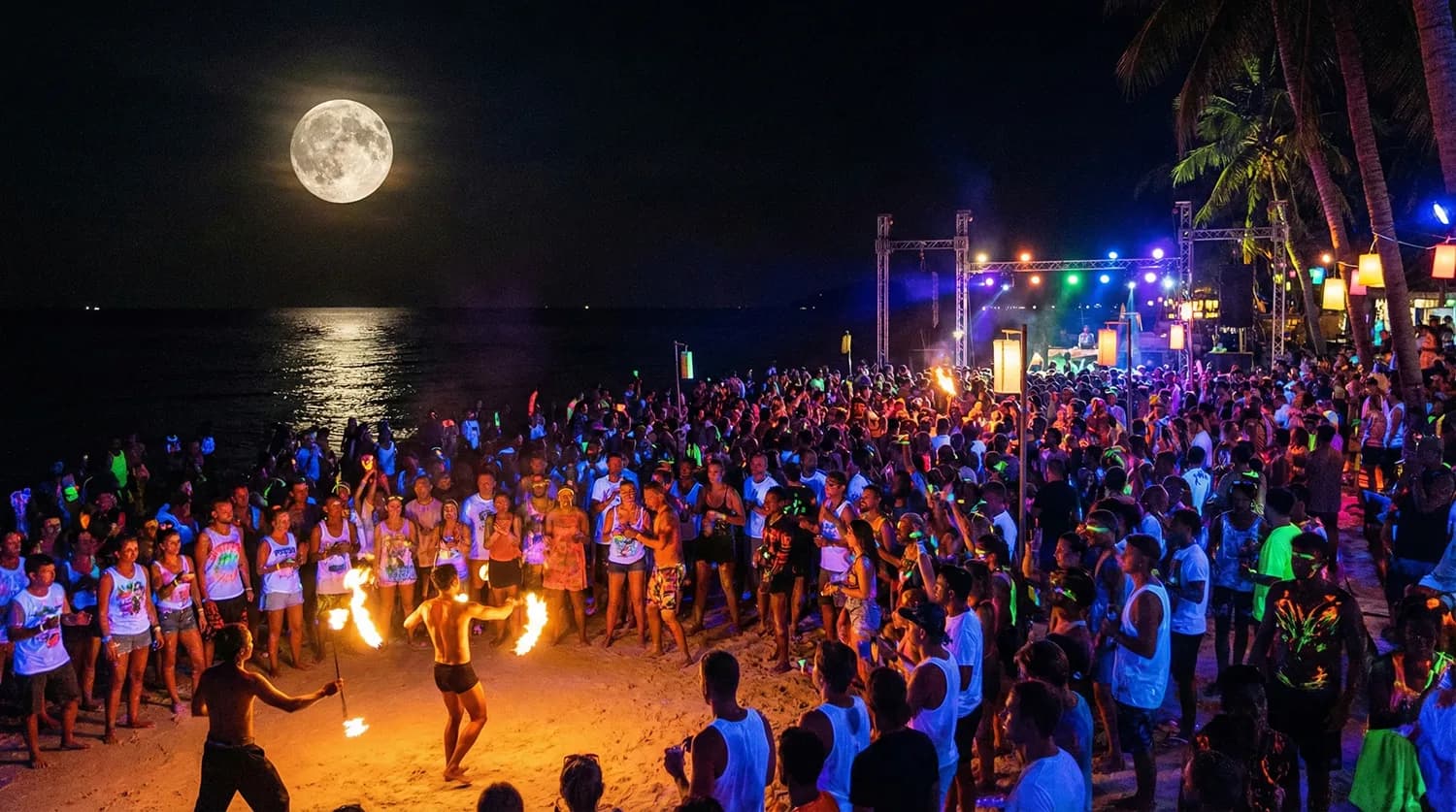
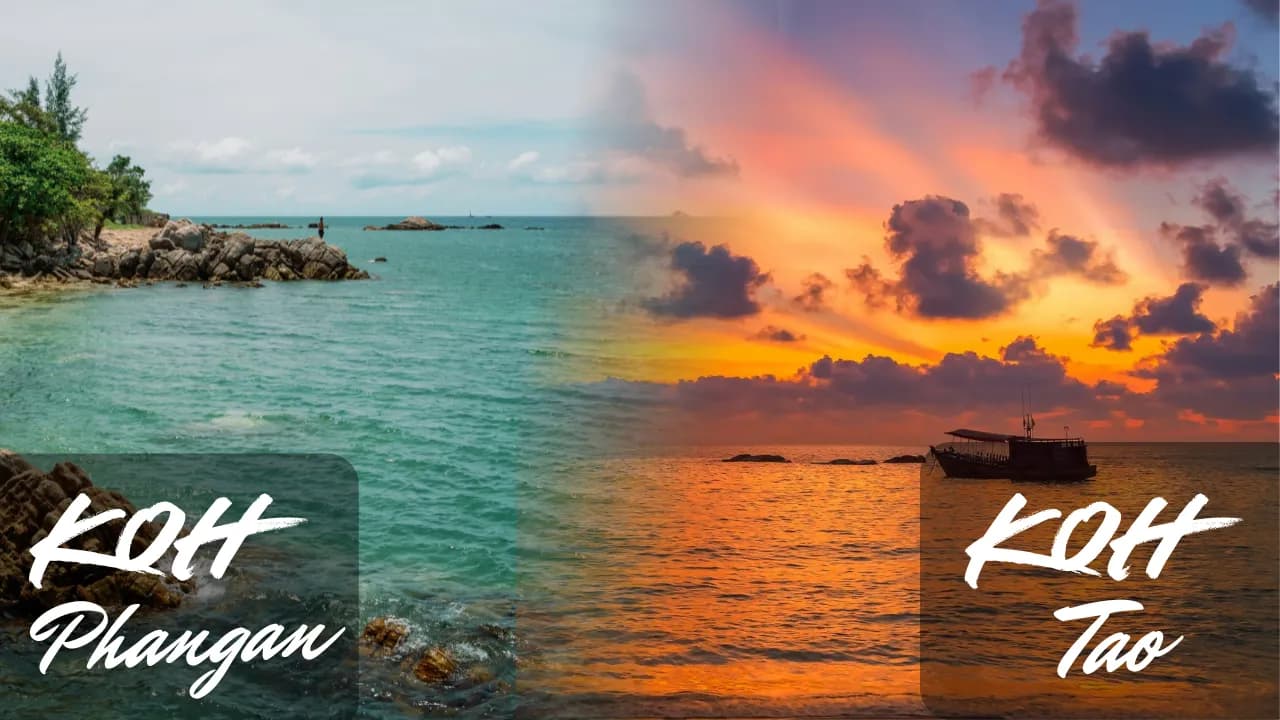
Koh Phangan is where you go when sleep is optional and noise complaints don't exist. I've spent way too many nights here, and honestly, it's not just about the Full Moon Party anymore (though that's still a thing, obviously). Half Moon, Black Moon, Jungle Experience — there's literally a party every week with a different moon-related name. Your daily budget here swings depending on your choices: ฿800-1,500 ($23-43) if you're doing dorm beds and street food, or ฿3,000-5,000 ($86-143) if you want a decent bungalow and aren't eating pad thai for every meal.
The downside? It's loud. Even if you're not partying, someone near you is. I once stayed in what was advertised as a "quiet beach" area and still heard bass until 4am. If you need eight hours of uninterrupted sleep, maybe skip this one. Best for: solo travelers in their 20s-30s, groups of friends who want to meet other travelers, and anyone who thinks "too much fun" isn't a real concept.
Koh Phi Phi costs more and offers less space. But people keep going (myself included) because the scenery really is that good. Maya Bay, the viewpoints, the water — it photographs well and it looks even better in person. Daily budget: ฿1,500-2,500 ($43-71) minimum, and that's if you're being careful. Go for nicer digs and you're easily at ฿4,000-7,000 ($114-200).
Here's what nobody tells you: Phi Phi is tiny and gets absurdly crowded. Like, you'll be swimming and literally bump into other tourists. During high season (November-March), it feels like a nightclub that happens to be on a beach. I've had better times here in shoulder season (April-May, September-October) when prices drop and you can actually walk down the main street without dodging crowds. Best for: people who want party energy but also want their photos to look good, couples who don't mind crowds, and anyone who's okay paying a premium for the views.
Diving Islands (Koh Tao)
I got my Open Water certification on Koh Tao back in 2014 for about ฿9,500 ($271), and it's still one of the cheapest places in the world to learn to dive. These days, courses run ฿9,000-12,000 ($257-343), which is incredible value compared to what you'd pay in Australia or the Caribbean. If you're not diving, though, Koh Tao loses some of its appeal. The beaches are fine, not spectacular. The nightlife exists but doesn't compare to Phangan.
Daily budget for non-divers: ฿700-1,200 ($20-34) for basic survival, ฿2,000-3,500 ($57-100) for comfort. Add diving and you're spending more, obviously, but the accommodation-food-transport costs stay reasonable. I usually spend around ฿1,800 ($51) a day when I'm there doing fun dives.
The honest downside: it gets packed during certification season (roughly November-February), and the island isn't that big. You'll see the same people at multiple dive sites, restaurants, and bars. Some people love that community vibe. Others find it claustrophobic after a week. I'm somewhere in the middle — it's great for 4-5 days, then I'm ready to move on. Best for: anyone wanting to dive without spending a fortune, solo travelers who like the backpacker scene, and people who prioritize underwater stuff over beach quality.
Chill Islands (Koh Lanta, Koh Yao Noi)
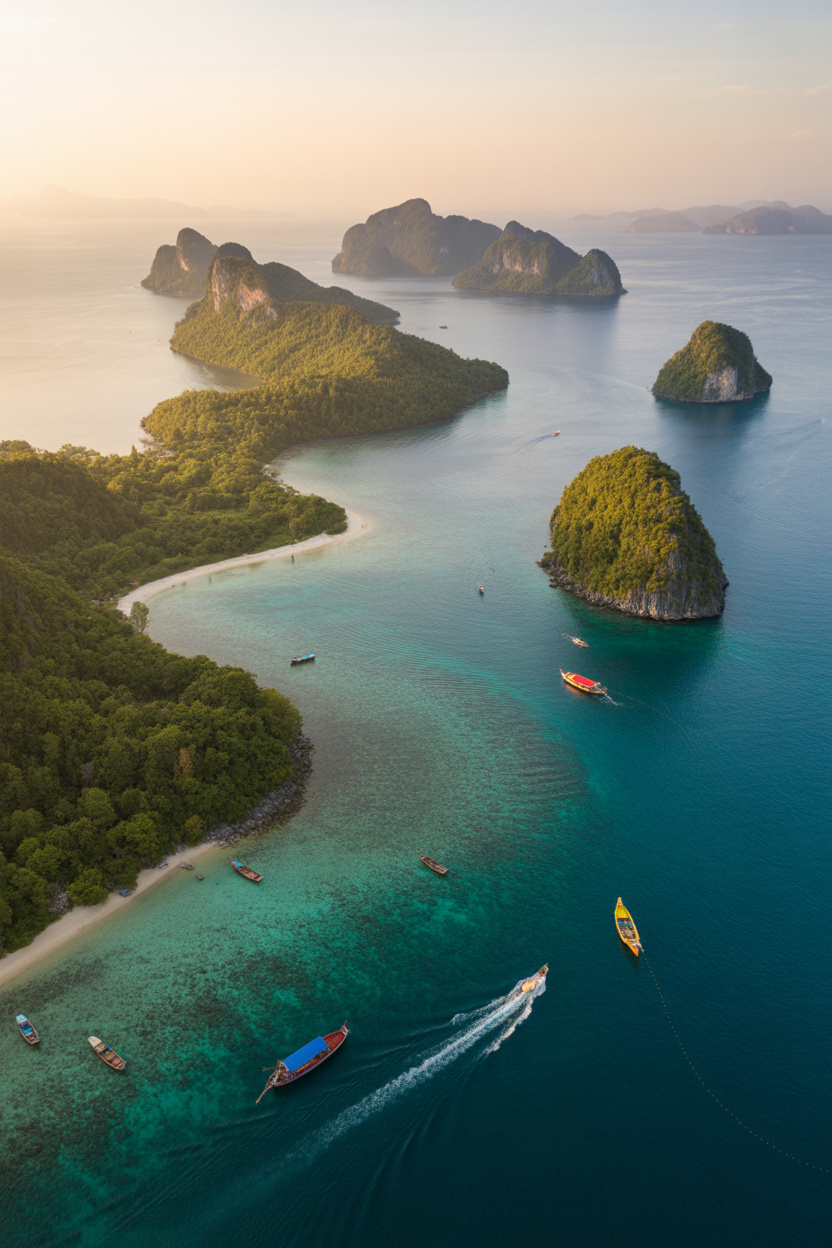
Koh Lanta is where I send people who say "I just want to relax and read books on the beach." It's low-key, spreads out its visitors across multiple beaches, and has enough restaurants that you won't get bored of the food. The west coast has the sunset beaches (Long Beach is my go-to), and the old town on the east side has actual local life happening.
Budget-wise, you're looking at ฿1,000-2,000 ($29-57) daily if you're staying in simple bungalows and eating local, or ฿3,000-6,000 ($86-171) if you want nicer resorts and more variety in your meals. I typically land around ฿2,200 ($63) per day here because I'll splurge on a good dinner but keep breakfast and lunch cheap.
The downside is pretty simple: if you want excitement, you won't find it. There's no raging nightlife. Tours exist but aren't as plentiful as other islands. It's genuinely quiet. I love it. My party-loving friends hate it. Know yourself. Best for: couples wanting actual downtime, families with younger kids, digital nomads needing a peaceful spot to work, and anyone over 35 who's done with the backpacker scene.
Koh Yao Noi takes "chill" even further. It's between Phuket and Krabi but feels like a different country. Mostly Muslim fishing villages, rice paddies, rubber plantations. Tourism exists but doesn't dominate. I've stayed here three times, and each time I've felt like I'm seeing "real Thailand" more than on any other island.
Daily budget: ฿1,200-2,500 ($34-71) depending on accommodation choices. Food is cheap because you're eating where locals eat. There aren't many Western restaurants, which I consider a plus. Downside: limited infrastructure. Fewer ATMs, fewer tour operators, fewer transportation options. You need to plan ahead more. Best for: travelers who've already done the main islands and want something different, couples seeking privacy, and people comfortable with less English being spoken.
Resort Islands (Samui, Phuket)
Koh Samui is where comfort meets Thai island life. It's developed enough that you can find international restaurants, reliable WiFi, and air-conditioned minimarts, but it's still got beaches and Thai culture. I've brought family here twice because it's easy — direct flights, good hospitals, accommodations for every budget.
Speaking of budget: ฿1,500-3,000 ($43-86) gets you a solid mid-range experience with a decent hotel and varied food options. Go budget and you can survive on ฿900-1,500 ($26-43). Want luxury? The sky's the limit, but figure ฿5,000-15,000+ ($143-429+) daily for high-end resorts and fine dining. I usually spend around ฿2,800 ($80) when I'm there because I like having a pool and eating well.
The downside is that Samui can feel a bit corporate. Some areas (looking at you, Chaweng) feel more like any beach resort anywhere rather than specifically Thai. But head to the quieter beaches like Maenam or Lamai's southern end, and you'll find more character. Best for: families who need reliable infrastructure, first-time Thailand visitors who want a softer landing, and couples wanting resort amenities without Phuket's intensity.
Phuket isn't technically an island experience in the traditional sense — it's huge, connected by bridge to the mainland, and has a city with traffic jams. But the beach areas (Kata, Karon, Kamala) offer proper island vibes with way more dining and activity options than smaller islands.
Budget range is massive here: ฿800-2,000 ($23-57) for backpacker mode in Patong or Kata, ฿3,000-6,000 ($86-171) for comfortable mid-range, or ฿10,000+ ($286+) if you're doing the luxury resort thing. I've done all three levels in Phuket depending on the trip. The variety is actually its strength.
Downsides: Patong is overwhelming (avoid unless you specifically want that energy), traffic between beaches sucks, and it's the most touristy of all the islands. But it's also got the best food scene, the most tour options, and the easiest logistics. Best for: people who want options and don't mind crowds, families needing variety, and travelers who get anxious about limited infrastructure.
📱What I'd Actually Do
If you're a first-timer to Thailand with 7-10 days: Start with Phuket (3 nights) for the easy adjustment and food variety, then move to Koh Lanta (4 nights) to actually relax. Skip the party islands unless you're specifically into that scene. Budget ฿2,500-3,500 ($71-100) daily and you'll be comfortable.
For budget backpackers with time: Koh Tao for diving (5 nights), then Koh Phangan between moon parties (4 nights) when accommodation is cheaper. You can do this on ฿1,000-1,500 ($29-43) daily if you're disciplined about street food and dorm beds.
Couples wanting romance without breaking the bank: Koh Yao Noi (4 nights) for seclusion, then Samui's quieter beaches like Maenam (3 nights) for easier dining options. Budget ฿3,000-4,500 ($86-129) daily for a nice balance of comfort and value.
Families with kids: Samui is your best bet, full stop. Stay near Bophut or Maenam where beaches are calmer. Budget ฿4,000-7,000 ($114-200) daily depending on your accommodation standards. The infrastructure makes everything easier when you've got children in tow.
Party people (no judgment): Phi Phi for scenery and social vibes (3 nights), then Phangan timed with whichever moon party fits your schedule (4 nights). Budget ฿2,000-4,000 ($57-114) daily depending on how much you spend on drinks.
For divers: Koh Tao is non-negotiable for certification or budget fun dives. If you're already certified and want better diving, consider Koh Lanta or the Similan Islands (though Similans require liveaboard trips from Phuket). Budget ฿2,500-4,000 ($71-114) daily including 1-2 dives.
Most people try to cram too many islands into one trip. Pick two, maybe three max if you've got two weeks. Travel days eat your time and budget more than you expect. I've had better experiences spending 5-6 nights on one island and really getting to know it than bouncing around every 2-3 days trying to check boxes.
Planning your island trip? Use our budget calculator to see what each island actually costs, or let the trip planner build your full itinerary with real prices and booking links.
Planning a trip to Thailand?
Use our free budget calculator to see what things actually cost. Real prices from real trips — no BS, no guesswork.
Calculate Your Budget