
Thailand Rainy Season: Is It Worth Visiting? (Honest Guide)
This post contains affiliate links. We may earn a commission at no extra cost to you. Full disclosure
I still remember the look on the travel agent's face when I told her I wanted to visit Thailand in July.
"That's monsoon season," she said, with the kind of concern usually reserved for people booking trips to active war zones. "You'll be miserable."
She was wrong. Dead wrong.
I've traveled Thailand during monsoon season three times now, and I'm about to tell you something that might sound crazy: rainy season might be the best time to visit Thailand.
Not despite the rain. Because of it.
The Truth About Monsoon Season
Let me paint you a picture of my typical rainy season day in Thailand:
Wake up at 7am to brilliant sunshine. Head to the beach with my coffee, the sand still cool under my feet. Swim in bathwater-warm ocean until noon, maybe see three other people on the entire stretch of sand. Grab lunch at a beachfront restaurant – pad thai and a Chang beer while watching clouds build on the horizon.
Around 2pm, the sky darkens dramatically. The wind picks up. Vendors start packing up their carts with practiced efficiency. I order another beer.
Then it comes. A wall of rain, so thick you can barely see ten feet ahead. Thunder that shakes your chest. The kind of storm that makes you feel alive just watching it. It pounds down for maybe ninety minutes while I sit dry under the restaurant's thatched roof, chatting with the owner about the best local spots to eat.
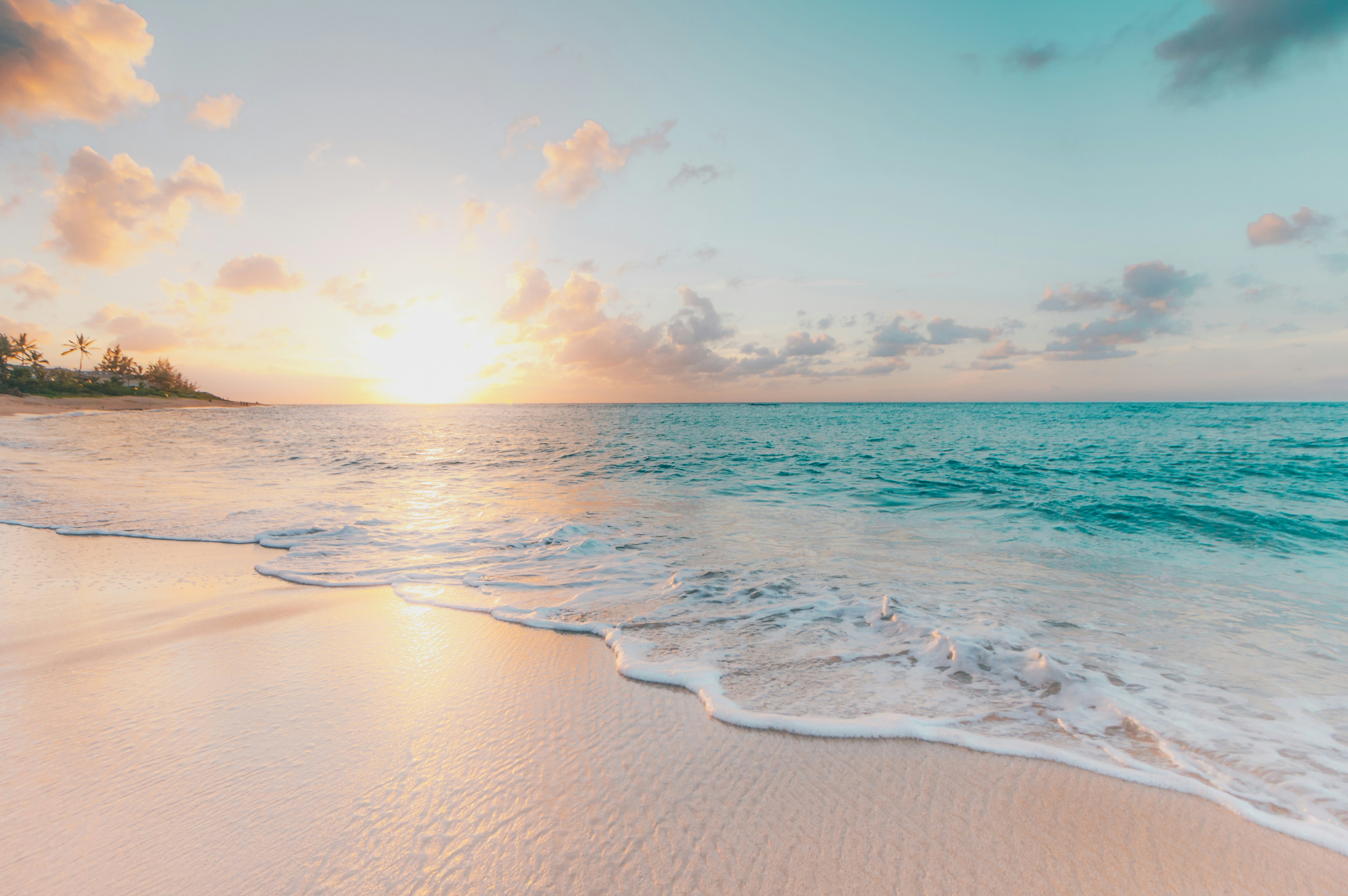
By 4pm, it's over. The clouds break apart like a curtain opening. Steam rises from the pavement. Everything smells like earth and flowers. The sunset that evening is spectacular – oranges and purples so vivid they look photoshopped.
That's rainy season in Thailand. Not days of gray drizzle. Not being trapped indoors. Just a dramatic afternoon storm that clears the air, brings prices down, and sends the crowds home.

Why I Keep Coming Back During Monsoon Season
The Thailand Nobody Else Sees
The first time I visited Railay Beach in July, I had an entire limestone cliff to myself for two hours. Railay – one of the most photographed beaches in Southeast Asia – was empty except for a handful of rock climbers and me.
I walked from one end of the beach to the other without stepping around a single person. No beach vendors. No tour groups. No couples staging Instagram photoshoots every ten meters. Just the sound of waves and the occasional longtail boat putting in the distance.
Try doing that in February.
The Green Season Is Actually Green
They don't call it "rainy season" here – locals call it "green season," and once you see it, you understand why.
The rice paddies in the north glow like emeralds. Waterfalls that were dry trickles in March thunder down cliff faces with genuine power. The jungle becomes impenetrable and alive. Even the trees seem brighter, their leaves washed clean by daily rain.
I took a motorbike trip through the mountains near Chiang Mai during monsoon season, and the landscape was stunning – mist hanging in valleys, terraced rice paddies reflecting the sky, everything so green it almost hurt to look at.
The same route in April? Brown hills and dust.
Half-Price Everything
Let's talk money.
That beachfront bungalow that costs $60 in February? It's $25 in July. The diving course that's $400 in high season? Suddenly $280. Private longtail boat tour? The captain will negotiate because he hasn't had a customer all day.
I stretched my budget twice as far during rainy season. I stayed in nicer places, ate at better restaurants, and said yes to experiences I would have skipped in high season because they felt too expensive.
A massage every single day? Sure, why not – it's only $7, and that's exactly when the afternoon rain hits anyway.
When the Rain Actually Falls
Here's what nobody tells you: Thailand's rainy season isn't one thing. It's completely different depending on where you go.
The Gulf Islands (Koh Samui, Koh Phangan, Koh Tao) have their dry season from May to September – exactly when everyone thinks Thailand is "rainy." This is your secret weapon. While tourists crowd into Phuket in February, you can have pristine beaches on Koh Tao in July with perfect weather.
Bangkok gets afternoon thunderstorms that shut down for two hours, then the city comes back to life. The temples look even more atmospheric with dark storm clouds behind them. Plus, Bangkok is basically an indoor city anyway – malls, markets, museums, restaurants. Rain barely matters.
Chiang Mai in the monsoon is absolutely beautiful. The rain mostly comes at night, the mountains are wrapped in mist, and everything smells like jasmine after a storm. I'd argue June through September is actually the best time to visit the north.
The Andaman Coast (Phuket, Krabi, Phi Phi) is trickier. The waves get big, boats get canceled, some islands shut down completely. But even here, it's not constant rain – it's just less reliable than other parts of Thailand.
The Real Benefits Nobody Talks About
Authentic Interactions
With fewer tourists around, Thailand feels different. More real.
The restaurant owners have time to chat. The tuk-tuk drivers don't see you as a walking ATM. At temples, you might be the only foreigner there, and locals are curious and friendly rather than tired of tourists.
I had a monk in Chiang Mai spend twenty minutes teaching me proper meditation posture because the temple was quiet and he had time. Would that have happened in December when the place was packed with tour groups? Unlikely.
Better Food
This might sound strange, but the food gets better during rainy season.
When tourist numbers drop, the fake "Thai food for foreigners" places close. What remains is where locals actually eat. The vendors at markets aren't competing for tourist dollars – they're serving their neighbors.
I found the best pad krapow of my life at a random street stall in Bangkok during July. The vendor spoke maybe three words of English. The menu was entirely in Thai. It cost 40 baht. Absolutely perfect.
The Drama
There's something magical about tropical storms. They're not like rain back home – gentle and gray and depressing. Monsoon rain is dramatic.
The sky turns purple. The wind roars through palm trees. Rain hits so hard it bounces off the ground. Then it's over, and you emerge into the most incredible light – everything golden and dripping and alive.
I watched a storm roll across the ocean from my hotel balcony in Koh Samui, lightning forking into the sea, the whole thing backlit by the setting sun. It was one of the most beautiful things I've ever seen. That doesn't happen in February.
What You Actually Need to Know
It's Not All Perfect
I'm selling rainy season hard here, but let me be honest about the downsides.
Some days, it rains more than usual. Maybe three or four times during a month-long trip, you'll get a day where it's overcast and drizzly all day. Those days aren't great for the beach. They're perfect for getting a massage, reading a book in a hammock, or exploring covered markets. But if beach time is your only goal, you might feel frustrated.
The humidity is real. Everything feels damp. Clothes take forever to dry. You'll sweat just standing still. If you hate humidity, rainy season might genuinely not be for you.
And some activities do get disrupted. Boat trips cancel when the waves are too big. Snorkeling visibility drops. A few islands shut down entirely. You need to be flexible and have backup plans.
Where to Go (and Where to Skip)
Best Bets:
- Gulf Islands (May-September) – Opposite monsoon season, often perfect weather
- Bangkok (anytime) – Rain doesn't matter for temples, food, markets
- Chiang Mai (June-September) – Green season is stunning, rain mostly at night
Still Good:
- Phuket and Krabi (if you're flexible) – Mornings are often beautiful, just have alternatives ready for rainy afternoons
Skip It:
- Koh Lipe and the deep south – These islands literally close for monsoon season
How to Make It Work
Book refundable accommodation when possible. Schedule your must-do activities for mornings. Embrace the afternoon rain as spa time or long lunch time. Pack quick-dry clothes and a light rain jacket.
Most importantly: adjust your expectations. You're not here for guaranteed perfect beach weather. You're here for authentic Thailand, dramatic landscapes, empty temples, and prices that let you actually enjoy yourself without calculating every expense.
My Favorite Rainy Season Memory
I was on Koh Phangan in August, staying at a bungalow that cost me $15 a night – the same one goes for $50 in high season. One afternoon, a storm rolled in harder than usual. The power went out across the whole island.
Instead of being annoyed, the guesthouse owner lit candles everywhere, brought out a cooler full of beer, and about eight of us – guests and staff – ended up sitting on the covered patio, watching the storm, drinking Leo beers, and telling stories for three hours.
The power came back on around dinner time. The cook made fresh pad thai for everyone using flashlights in the kitchen. The sky cleared to reveal the Milky Way – you could actually see it without all the lights on.
That night cost me maybe $10 total, and I remember it more vividly than expensive beach club days in the Maldives.
That's the magic of rainy season in Thailand. It's raw and real and beautiful in ways that perfect-weather destinations never quite manage. The rain doesn't ruin anything – it makes everything better.
Should You Do It?
If you're flexible, budget-conscious, or tired of overtouristed Thailand, absolutely yes. Book your trip for June or July. Head to the Gulf Islands. Watch the afternoon storms roll in with a beer in your hand. Save a fortune. See the Thailand that most visitors miss.
If you need guaranteed perfect weather, have very limited time, or really hate the idea of any rain at all, stick with November through March.
But for me? I'll take monsoon season every time. Half-price everything, empty beaches, dramatic storms, and real Thailand instead of tourist Thailand.
The travel agent was worried I'd be miserable. Instead, I fell in love with a side of Thailand that most people never see.
Your move.
Continue Reading

Thailand Costs by Month: When to Visit for Best Prices (2025 Guide)
Journey through Thailand's seasons with a veteran traveler's perspective. Discover not just when prices drop, but what each month actually feels like—from Songkran's water-soaked chaos to monsoon's empty beaches and peak season's perfect skies.

Thailand Packing List: What to Bring vs Buy There (2025)
After seven trips and countless packing mistakes, I've learned the hard truth: you need half what you think. Here's the real story of what to pack, what to skip, and what's actually cheaper to buy in Thailand.

Best Time to Book Thailand Flights: Save $100-400 (2025 Guide)
The flight booking strategies I wish someone had told me before my first Thailand trip. Real stories, price discoveries, and the timing tricks that saved me hundreds.