
Thailand Island Comparison 2025: Which Island is Right for You? (8 Islands Compared)
This post contains affiliate links. We may earn a commission at no extra cost to you. Full disclosure
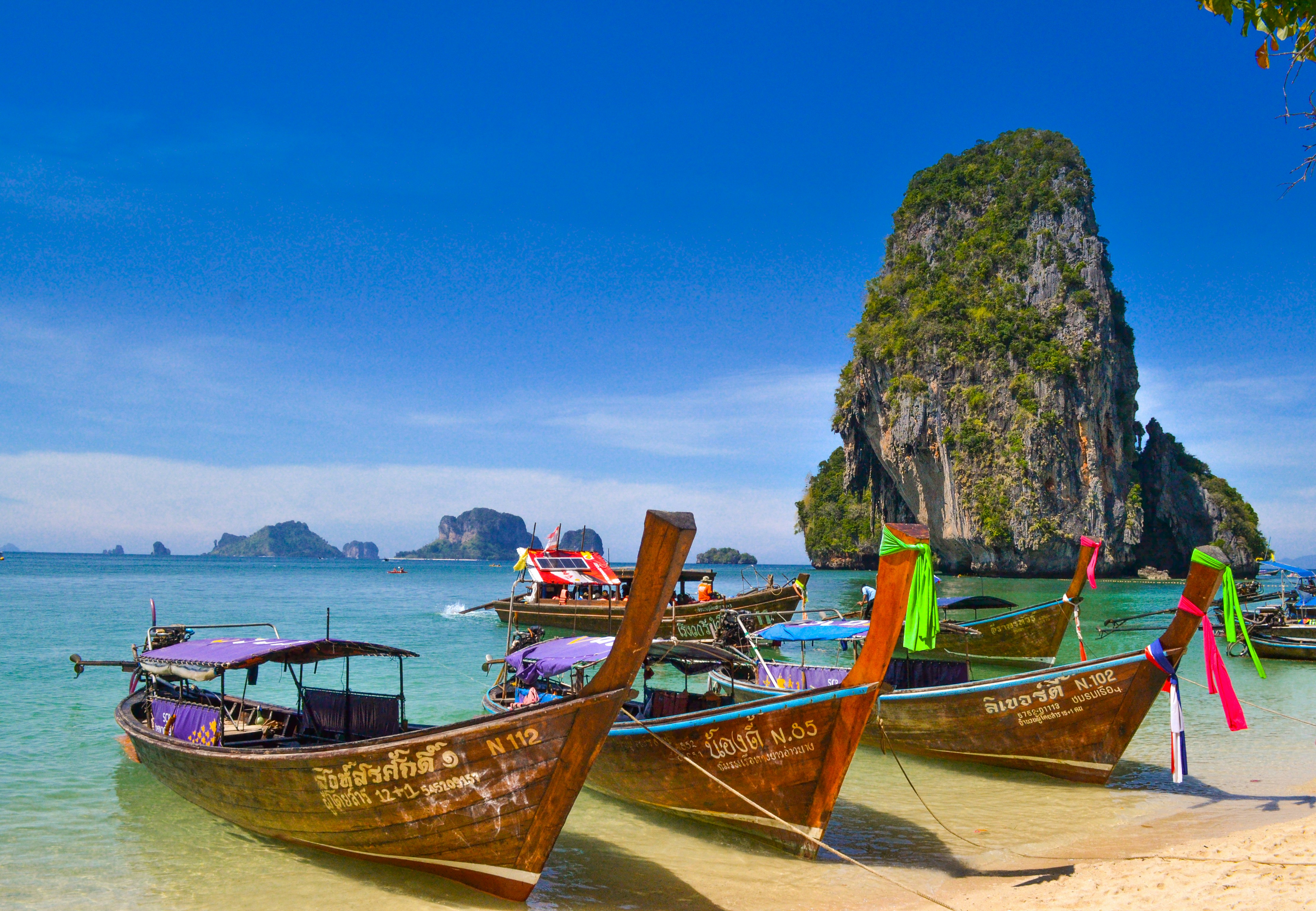
The longtail boat's motor cuts to silence, and suddenly all you hear is the gentle lap of turquoise water against white sand. You've just arrived at another Thai island—but which one? That question matters more than you might think.
I've spent the last three years island-hopping across Thailand's most famous and hidden gems, from the party chaos of Koh Phi Phi to the jungle silence of Koh Chang. Each island whispered a different promise: some kept it, some broke it. After living on eight different islands, working remotely from beachfront bungalows, diving crystal-clear waters, and navigating monsoon seasons, I've learned that choosing the wrong island doesn't just waste money—it can derail your entire Thailand experience.
This isn't a listicle of facts. This is what each island actually feels like when you wake up there every morning.
Quick Island Comparison
Before we dive into the stories, here's the honest breakdown of what you'll pay and what you'll get:
| Island | Monthly Rent | Best For | Avoid If You Need |
|---|---|---|---|
| Koh Chang | $200-400 | Budget travelers, jungle lovers, authentic Thailand | Reliable WiFi, expat community |
| Koh Phangan | $250-500 | Digital nomads, wellness seekers, budget + community | Luxury amenities, quiet beaches year-round |
| Koh Tao | $300-550 | Divers, social backpackers | Peace and quiet, sophistication |
| Koh Lanta | $350-650 | Digital nomads, families, quality of life | Party scene, airport access |
| Koh Phi Phi | $300-600 | Short-term travelers, partiers | Long-term living, productivity, scooters |
| Koh Samui | $400-800 | Families, convenience seekers | Budget travel, authentic local culture |
Now let me take you to each island, one by one.
Koh Phi Phi: The Stunning Heartbreaker
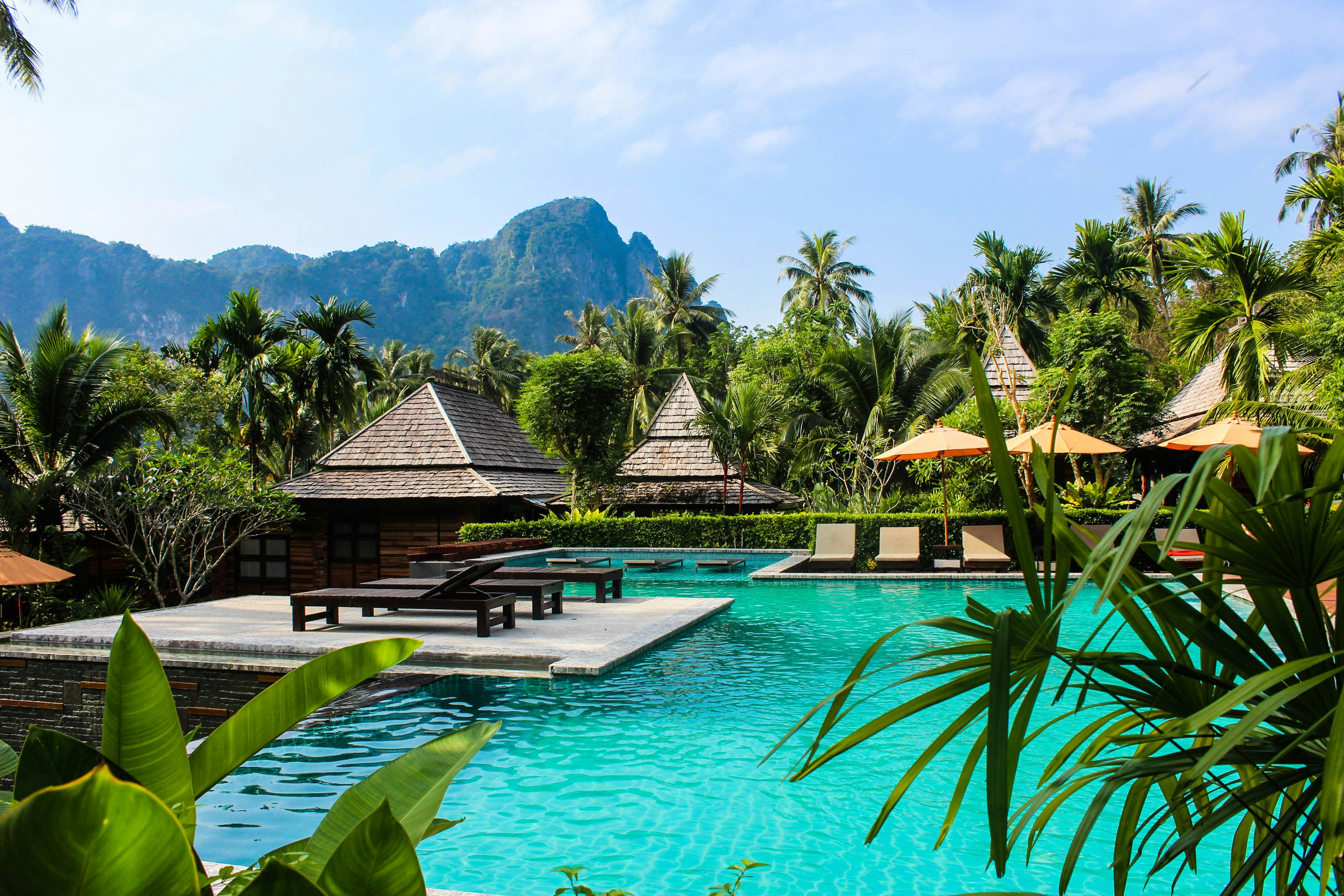
I'll never forget my first glimpse of Koh Phi Phi from the ferry. Those limestone cliffs rising impossibly from emerald water, the twin bays curved like a wasp's waist—it's the Thailand of postcards and screensavers. You arrive already in love.
Then you step onto the pier.
The main village hits you with a sensory overload: thumping bass from competing beach bars, the smell of pad thai and sunscreen, fire dancers twirling flames while tourists in Chang Beer tanks stumble past. Maya Bay—yes, that Maya Bay from "The Beach"—is as stunning as promised, though now carefully managed after years of over-tourism nearly destroyed it.
Koh Phi Phi is Thailand's most beautiful one-night stand. The water is absurdly clear, the cliffs are legitimately breathtaking, and the snorkeling around Monkey Beach reveals gardens of coral that justify every Instagram photo you've seen. The nightlife pulses with an energy that makes you feel 22 again, whether you are or not.
But try to live here? The fantasy crumbles fast. There are no scooters allowed—the island is tiny and walkable, which sounds charming until you're hauling groceries in 95-degree heat. WiFi is unreliable even in 2025, flickering like the fire dancers. Long-term rentals barely exist, and when they do, you're paying $500-600 monthly for what amounts to a glorified hostel room with walls so thin you'll hear every detail of your neighbor's Tinder date.
The island is designed for temporary magic, not real life. Give Koh Phi Phi three nights of your adventure, take a thousand photos, dance until sunrise once, and leave before the spell breaks.
Monthly cost for the brave souls who stay: $300-600 Best for: 2-3 night visits, party lovers, scenery chasers Skip if: You need WiFi, sleep, or to get any actual work done
Koh Lanta: Where Digital Nomads Find Home
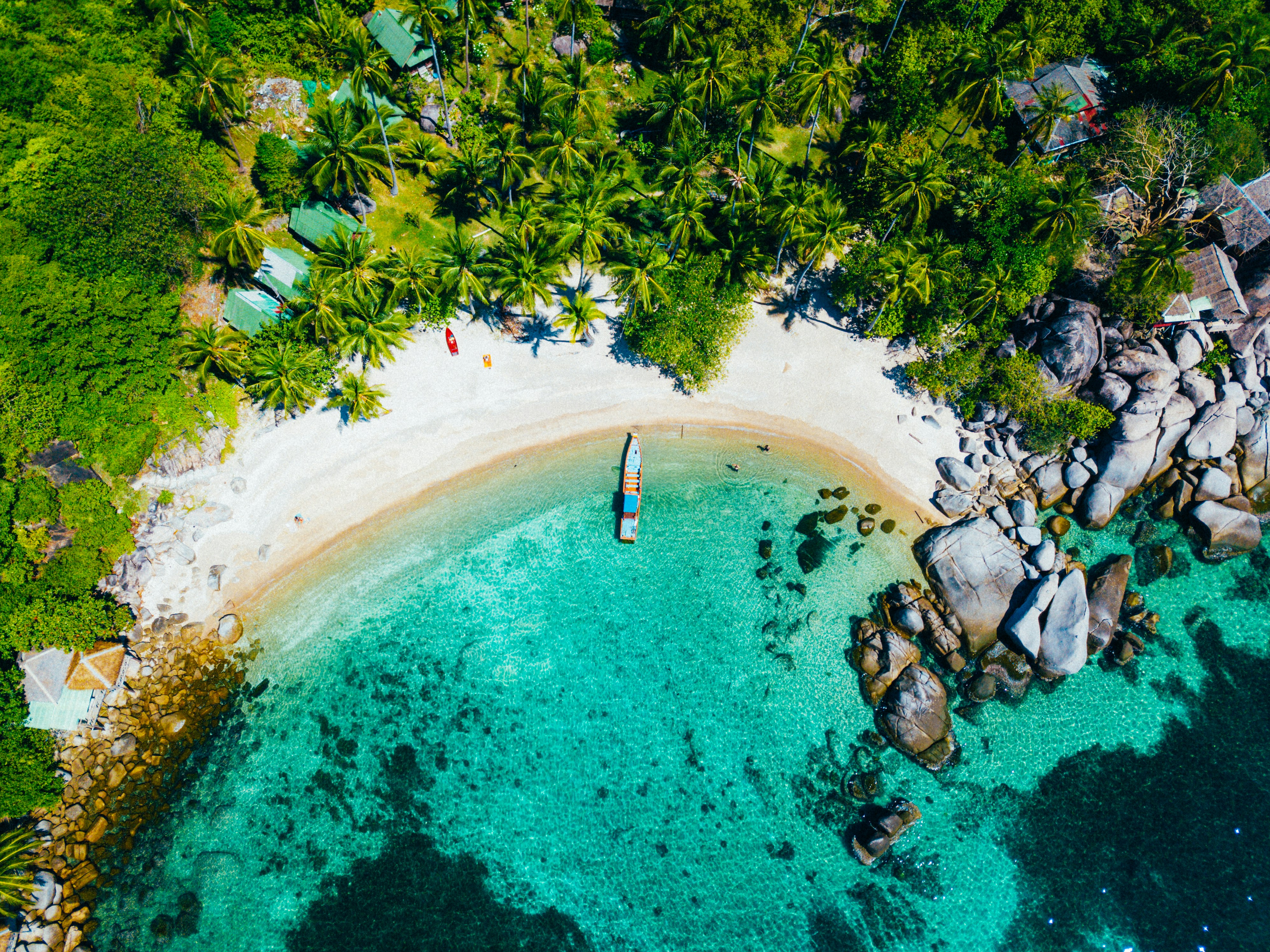
Koh Lanta surprised me. I arrived expecting another crowded beach town and instead found something rare: an island that actually works for real life.
Picture this: You wake up in a beachfront bungalow on Klong Dao Beach. The water stretches for miles in soft blues and greens, barely a soul on the sand at 7 AM. You make coffee on your little porch, open your laptop, and—this is the crucial part—the WiFi actually works. Not "Thailand works," but genuinely fast, fiber-optic, video-call-stable WiFi.
By 9 AM, you're at KoHub coworking space, and this is where Koh Lanta's magic reveals itself. For $90 monthly, you get unlimited access to what I genuinely believe is the best coworking space on any Thai island. Fast internet, good coffee, air conditioning that doesn't make you choose between freezing and sweating, and—most importantly—a community of digital nomads who've been here long enough to know which beach has the best sunset and which restaurant gives actual spicy when you ask for spicy.
The island itself has this laid-back sophistication. It's not trying to be Bali or Ko Samui—it's just itself. Long Beach lives up to its name with kilometers of uncrowded sand. Old Town at the southern tip offers glimpses of Muslim Thai culture and the best seafood on the island, grilled right on the pier as the sun sets. The jungle interior hides waterfalls and caves that most tourists never bother to find.
Koh Lanta does have trade-offs. There's no airport—you're taking a ferry or a combination of flight-to-Krabi plus minivan. The monsoon season from May to October is real here; many places simply close. And while the nomad community is strong, the party scene is nearly nonexistent. If you need nightlife, you'll be disappointed. If you need productive quiet, you'll be thrilled.
After testing every island, this is where I stayed the longest. Koh Lanta is what happens when an island grows up and figures out how to balance tourism with livability.
Monthly cost: $350-650 Best for: Digital nomads, remote workers, people who want community without chaos Skip if: You need nightlife, want year-round living, or can't handle ferry journeys
Koh Tao: The Diver's Rite of Passage
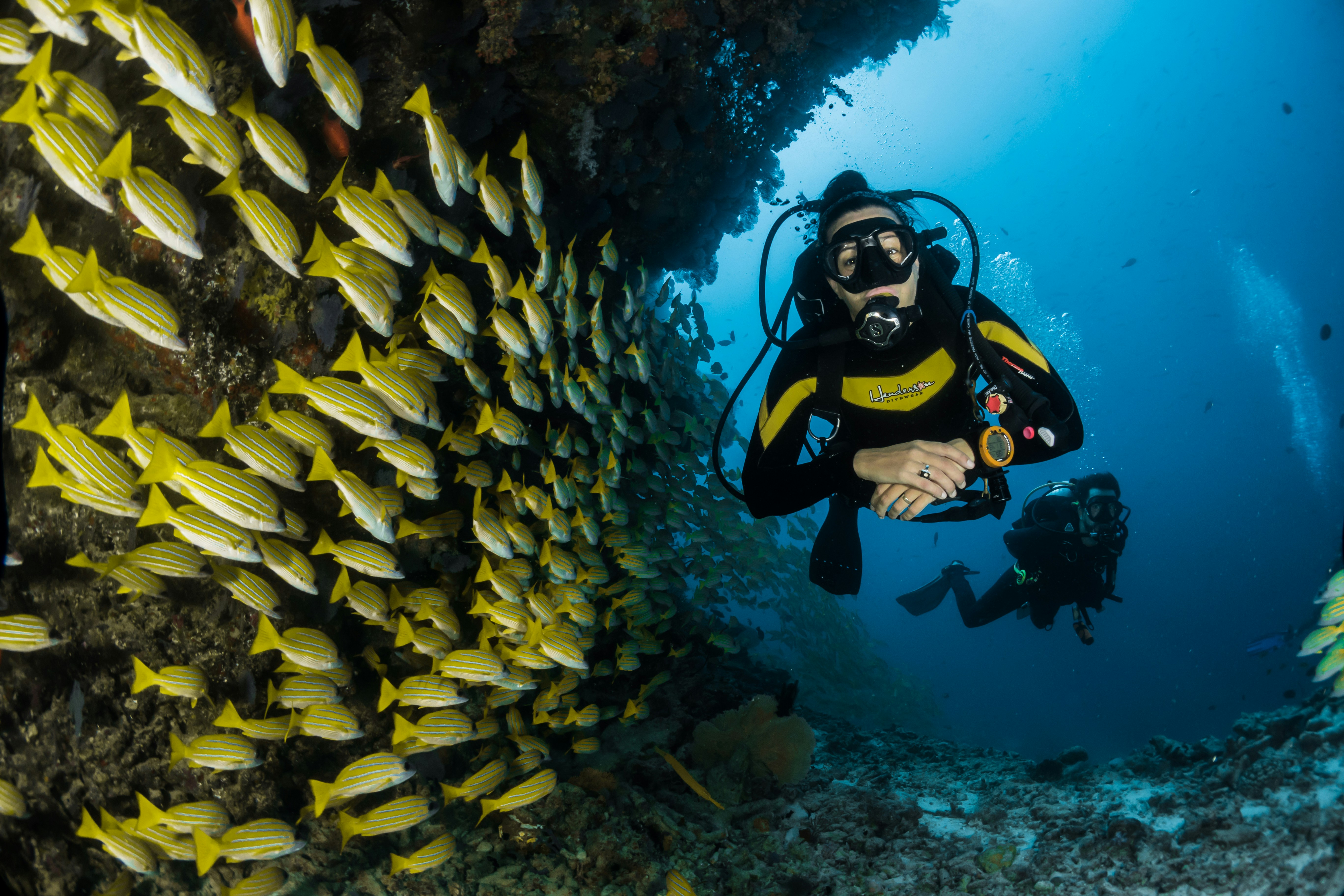
The first time I dove into Koh Tao's water, I understood why this tiny island certifies more PADI divers than anywhere else on Earth.
You descend through liquid crystal—visibility stretching 20, sometimes 30 meters in every direction. A hawksbill turtle glides past like you're not even there, completely unimpressed by your presence. Schools of fusiliers shimmer in coordinated clouds. And if you're lucky—genuinely, incredibly lucky—a whale shark appears from the blue, moving with the kind of prehistoric grace that makes you forget to breathe (which is problematic when you're breathing from a tank).
Koh Tao has weaponized diving economics. Open Water PADI certification costs $250-350 here, which is 40-50% cheaper than most of the world. Fifty-plus dive shops compete aggressively for your business, which means the deals are incredible and the instruction quality is—let's be honest—variable. Choose carefully. Ask around. The best shops are obvious from the equipment quality and instructor attitudes.
But here's what the dive shop brochures don't tell you: Koh Tao is fundamentally a backpacker party island that happens to have exceptional diving. Sairee Beach at night becomes a strip of beach bars playing the same EDM playlist, buckets of vodka-Red Bull flowing freely, and people in their early twenties discovering that gravity still works when you're drunk on a beach.
If that's your scene, or if you're just here for 1-2 weeks to get certified and party, Koh Tao is perfect. I spent three weeks here getting my Advanced certification, and those weeks were fantastic—as a visitor. The month after, when I tried to settle in and work remotely, the cracks showed. WiFi was inconsistent. The party noise made sleep optional. The island felt transient, everyone arriving and leaving within days, making real friendships difficult.
Koh Tao taught me that some places are meant for specific purposes. Come here to dive. Get certified at absurdly cheap prices. Explore the underwater world. Then move on to an island designed for whatever comes next.
Monthly cost: $300-550 Best for: Diving certification, social backpackers, 2-4 week stays Skip if: You need quiet, are over the party scene, or don't care about diving
Koh Phangan: The Island That Grew Beyond the Full Moon
Everyone knows Koh Phangan for one thing: the Full Moon Party. Thirty thousand people descending on Haad Rin Beach once a month, neon body paint glowing under UV lights, music so loud it vibrates your ribcage, and a spectacle of controlled chaos that's simultaneously fascinating and exhausting to witness.
What most people don't know is that Koh Phangan has evolved far beyond that single wild night.
I landed in Srithanu on a recommendation from another digital nomad, skeptical. The taxi from the pier wound through jungle roads, past yoga shalas and raw vegan cafes with names like "The Sanctuary" and "Samma Karuna." I braced for insufferable hippie pretension.
Instead, I found one of Thailand's most interesting communities. Srithanu and nearby areas have become magnets for digital nomads, wellness seekers, and people building location-independent businesses. The vibe is definitely hippie-adjacent—lots of barefoot walking, green smoothies, and genuine discussions about Ayahuasca ceremonies—but it's also surprisingly pragmatic. The WiFi works. The coworking spaces are solid. And crucially, the rent is 20-30% cheaper than Koh Lanta or Koh Samui.
For $300-400 monthly, I rented a bungalow in the jungle, a ten-minute scooter ride from the beach. Geckos clicked on my ceiling at night. The ocean was warm year-round. Every evening, I'd ride to a different beach—Haad Yao, Bottle Beach, Secret Beach—and usually had it mostly to myself. The wellness scene meant incredible healthy food: acai bowls, buddha bowls, and more plant-based options than I'd seen anywhere in Thailand.
But Koh Phangan demands you choose your location carefully. Stay in Thong Sala (the main town), and you get practicality but not much charm. Stay near Haad Rin, and you'll suffer monthly Full Moon chaos plus constant pre-parties and after-parties. Stay in Srithanu or the northern beaches, and you access the island's hidden personality: creative, wellness-focused, surprisingly community-oriented.
The island isn't perfect. WiFi in remote areas gets spotty. The roads are dangerous—twisty jungle paths with sand patches that'll dump your scooter if you're not careful. And if you're allergic to yoga talk, crystal healing discussions, and people introducing themselves by their "soul purpose," you might find the northern areas insufferable.
But if you want Thailand's best value for a digital nomad lifestyle, plus a community that's actually building something beyond tourism, Koh Phangan delivers in ways that surprised me month after month.
Monthly cost: $250-500 Best for: Budget digital nomads, wellness seekers, people who want community Skip if: You need luxury amenities, hate hippie culture, or can't handle monthly party invasions
Koh Samui: The Grown-Up Island
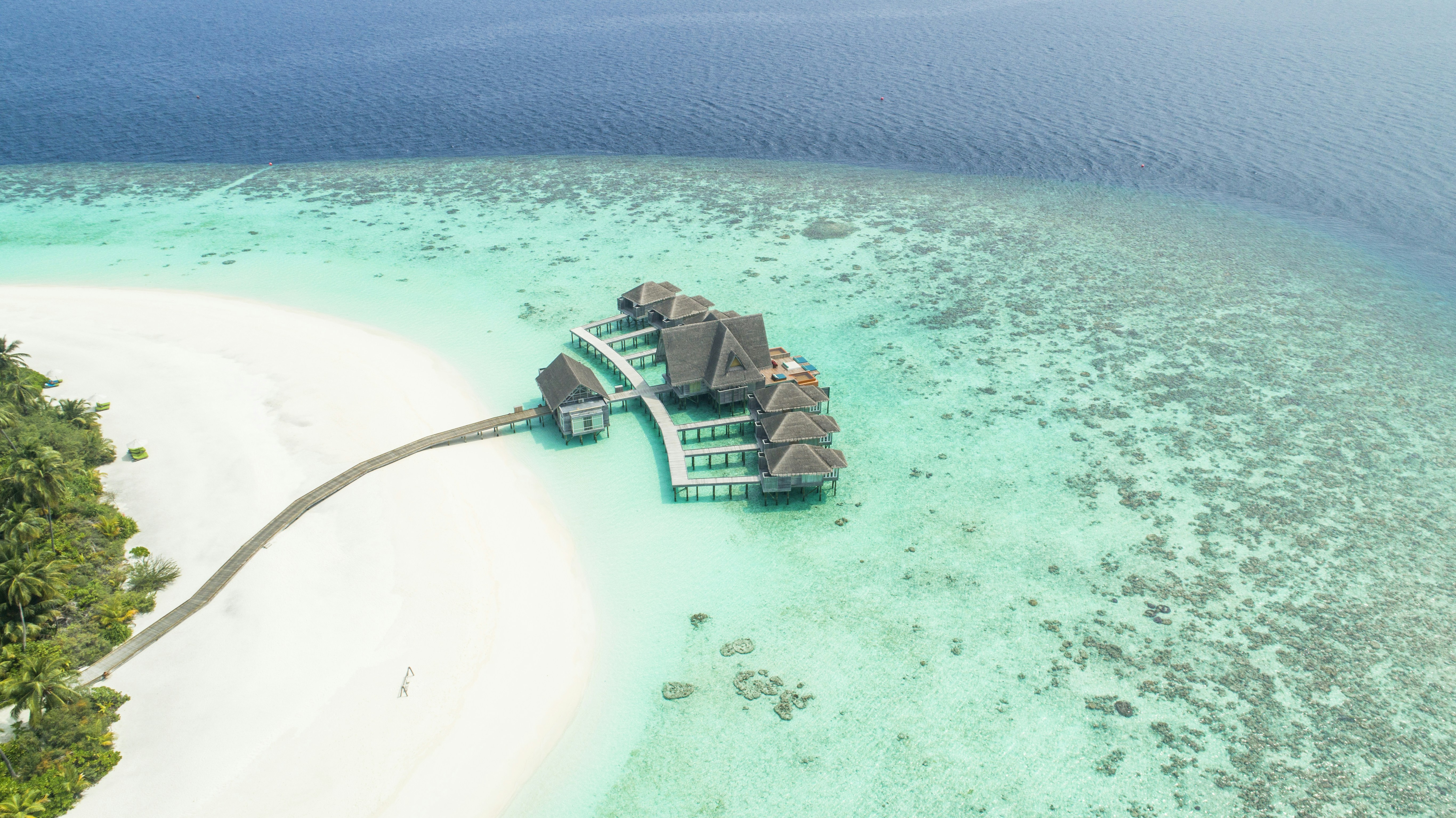
When the plane descended into Koh Samui Airport—yes, the only Thai island with its own airport—I saw what I'd been missing on every other island: infrastructure.
Shopping malls. International hospitals. Traffic lights. Chain restaurants. An actual Tesco Lotus. For some travelers, these things represent everything they're trying to escape. For families, long-term expats, and anyone who's ever had a medical emergency on a remote island with a barely functioning clinic, they represent peace of mind.
Koh Samui is Thailand's luxury island that pretends it isn't. You can spend $50 on breakfast at a resort in Chaweng, then drive 15 minutes south to Lamai and find perfectly good pad thai for $2. International schools dot the island, making this the only real option for families with kids who need English-language education. The hospital has a cardiac unit and speaks English. The airport means a friend visiting from Bangkok arrives in an hour, not a ferry-ride odyssey.
The trade-off is obvious: you pay for all of this. My one-bedroom apartment in Lamai cost $650 monthly, more than I'd paid for beachfront bungalows on other islands. Restaurants cater to Russian tourists and British expats, meaning prices creep upward and authenticity creeps away. The traffic around Chaweng rivals Bangkok's during high season. The beaches are beautiful but crowded.
What Koh Samui offers is reliability. The WiFi works. The power rarely cuts out. Year-round weather is more stable than the monsoon-battered Andaman islands. Everything you need exists somewhere on this island. It's not adventure—it's comfort.
I watched families here build actual lives: kids going to school, parents working remote jobs, weekend trips to the Big Buddha or Na Muang waterfall. For them, the extra $200-300 monthly bought something invaluable: normalcy in paradise.
For the rest of us, it felt like paying a premium to recreate what we'd left behind.
Monthly cost: $400-800 Best for: Families, long-term expats, anyone who values convenience Skip if: You're on a budget, want authentic Thailand, or already have infrastructure at home
Koh Chang: The Jungle Island Time Forgot

Koh Chang doesn't feel like the other islands. Thailand's second-largest island is 70% mountainous jungle, and you feel it the moment you arrive: the air is heavier, greener, alive with the sound of unseen birds and insects.
I rented a basic bungalow on Lonely Beach for $250 monthly—half what I'd paid anywhere else. The electricity was solar. The WiFi was "available" in the same way that a promise is available: theoretically real, practically unreliable. My neighbors were a mix of Thai families who'd lived here for generations and aging European expats who'd dropped out of society years ago and never looked back.
Koh Chang isn't about beaches, though White Sand Beach is genuinely beautiful. This island is about waterfalls—Klong Plu, Than Mayom—where you can swim in pools surrounded by primary jungle, the only human for miles. It's about elephant sanctuaries where the animals actually live like elephants, not circus performers. It's about riding your scooter up the mountain roads and suddenly emerging at viewpoints where the entire island sprawls below you, green and wild and indifferent to tourism.
But living here requires compromise. The WiFi made remote work nearly impossible; I'd spend entire mornings at cafes, hotspot tethered to my phone, praying the 4G signal held. The expat community was minimal and often strange—people who'd burned bridges in their home countries and landed here as a last resort. The monsoon season from May to October isn't cute tropical rain; it's weeks of grey skies and flooding that cuts off roads.
Koh Chang reminded me that Thailand isn't all white sand beaches and digital nomad cafes. This is the Thailand of jungle and village life, of living cheaply and simply, of prioritizing nature over connectivity. I loved my month here, hiking to waterfalls and paying $200 total rent. But I couldn't sustain it—not with work deadlines and the need for human community.
Some people stay on Koh Chang for years, disappearing into the jungle. I admire them and know I'll never be one of them.
Monthly cost: $200-400 Best for: Budget travelers, nature lovers, people escaping the internet Skip if: You need WiFi, want beach culture, or prefer organized infrastructure
Finding Your Island
After three years and eight islands, here's what I learned: the "best" island doesn't exist. Each island is the right answer to a specific question.
Are you here to get dive-certified as cheaply as possible? Koh Tao, no question.
Do you need to actually work remotely while living in paradise? Koh Lanta for quality of life, Koh Phangan for budget.
Traveling with kids and need infrastructure? Koh Samui is your only real option.
Want to disappear into the jungle for $200 monthly? Koh Chang is waiting.
Need three days of spectacular beauty and parties you'll remember for years? Koh Phi Phi will deliver.
The mistake I see travelers make repeatedly is choosing based on Instagram photos or vague vibes. They land on Koh Phi Phi expecting to work remotely and wonder why their WiFi keeps dying. They go to Koh Lanta expecting nightlife and complain about boredom. They choose Koh Samui for budget travel and blow through their money in a week.
Match the island to your actual priorities—not the priorities you think you should have—and Thailand's islands will give you exactly what you need.
I've found my answer for now: Koh Lanta from November to April, then switching to Koh Phangan when Lanta's monsoon hits. But ask me again in a year, and the answer might change. That's the beauty of islands—there's always another one waiting to surprise you.
Ready to explore? Use our interactive island finder to filter by budget, diving, digital nomad amenities, and party scene. Or dive deeper into specific islands:
Continue Reading

Best Thai Islands for Digital Nomads in 2025
I've tested the WiFi, found the best cafes, and learned the hard way which islands actually work for remote work. Here's everything I wish I'd known before island-hopping with my laptop.

Getting Your PADI Certification in Koh Tao: Where I Learned to Breathe Underwater
The first breath underwater changes everything. Here's why this tiny Thai island became the world's diving certification capital, what it's really like to learn to dive, and why you'll probably extend your stay.

Thailand Packing List: What to Bring vs Buy There (2025)
After seven trips and countless packing mistakes, I've learned the hard truth: you need half what you think. Here's the real story of what to pack, what to skip, and what's actually cheaper to buy in Thailand.