
Thailand Food Guide: What to Eat and What It Actually Costs (2025)
This post contains affiliate links. We may earn a commission at no extra cost to you. Full disclosure
The Moment I Fell in Love with Thai Food
It was 2:00 AM on my first night in Bangkok. Jet-lagged and disoriented, I stumbled toward the neon glow of a street cart near Silom. An older woman with calloused hands worked a blazing wok, flames licking up the sides as she tossed noodles with a rhythm that spoke of decades of muscle memory. The air was thick with the smell of tamarind, fish sauce, and charred garlic.
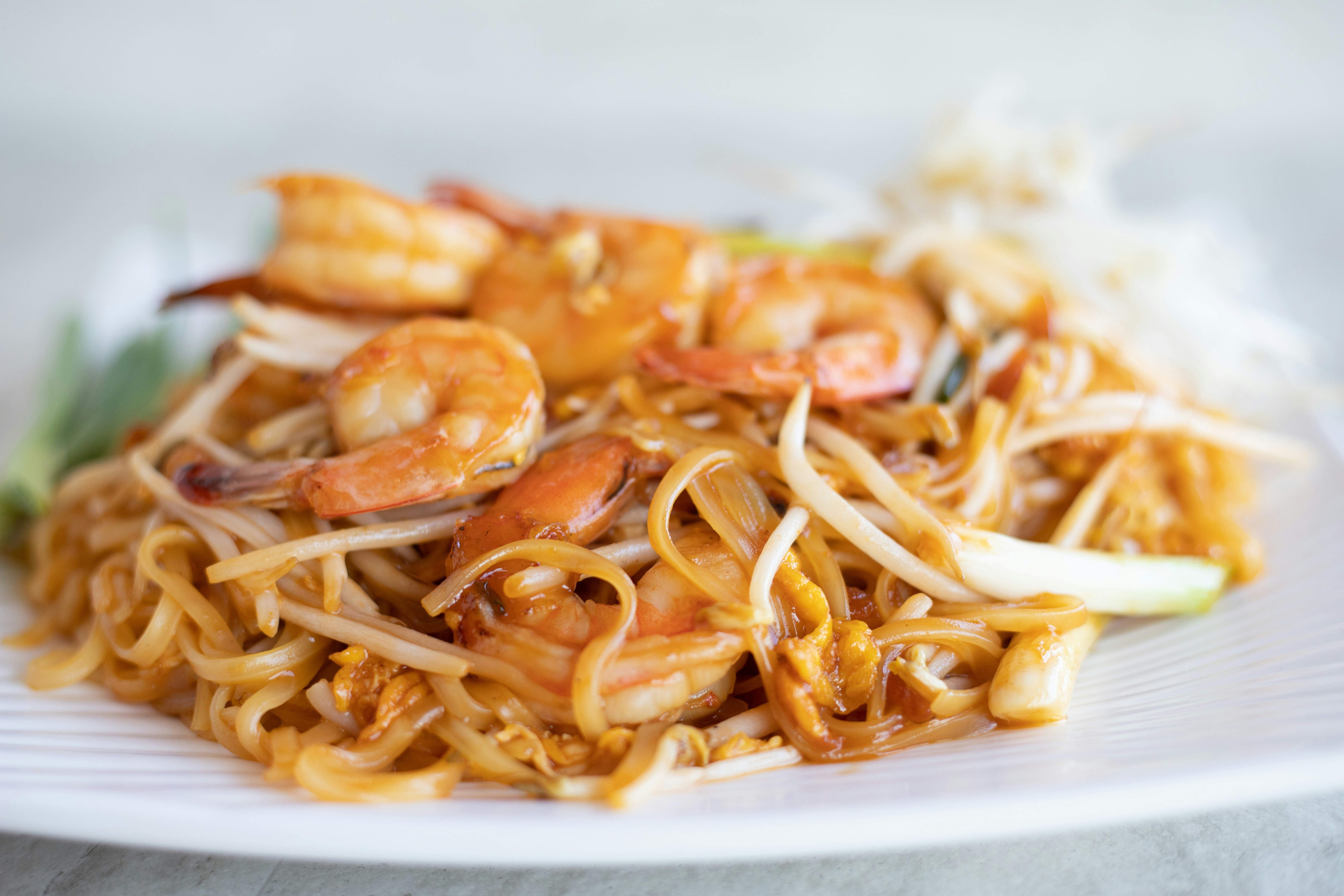
She handed me a plate of pad thai wrapped in pink paper, the noodles glistening under the street lights. I sat at a plastic stool next to a taxi driver slurping his soup, and I took my first bite.
Sweet, sour, salty, with the crunch of peanuts and the brightness of lime. The texture of silky noodles against crisp bean sprouts. That first bite cost 40 baht—about $1.20—and it completely rewired my understanding of what food could be.
Ten years later, I've eaten my way through every region of Thailand. From Michelin-starred restaurants in Bangkok to nameless noodle shops in Isaan villages. And here's what I've learned: the best Thai food isn't in the fancy places. It's in the carts, the shophouses, the markets where grandmothers have been making the same dish for forty years.
This isn't a menu with prices. This is a love letter to Thai food, with enough practical info to help you eat your way through Thailand without breaking the bank—or your stomach.
Street Food: Where Thailand's Soul Lives
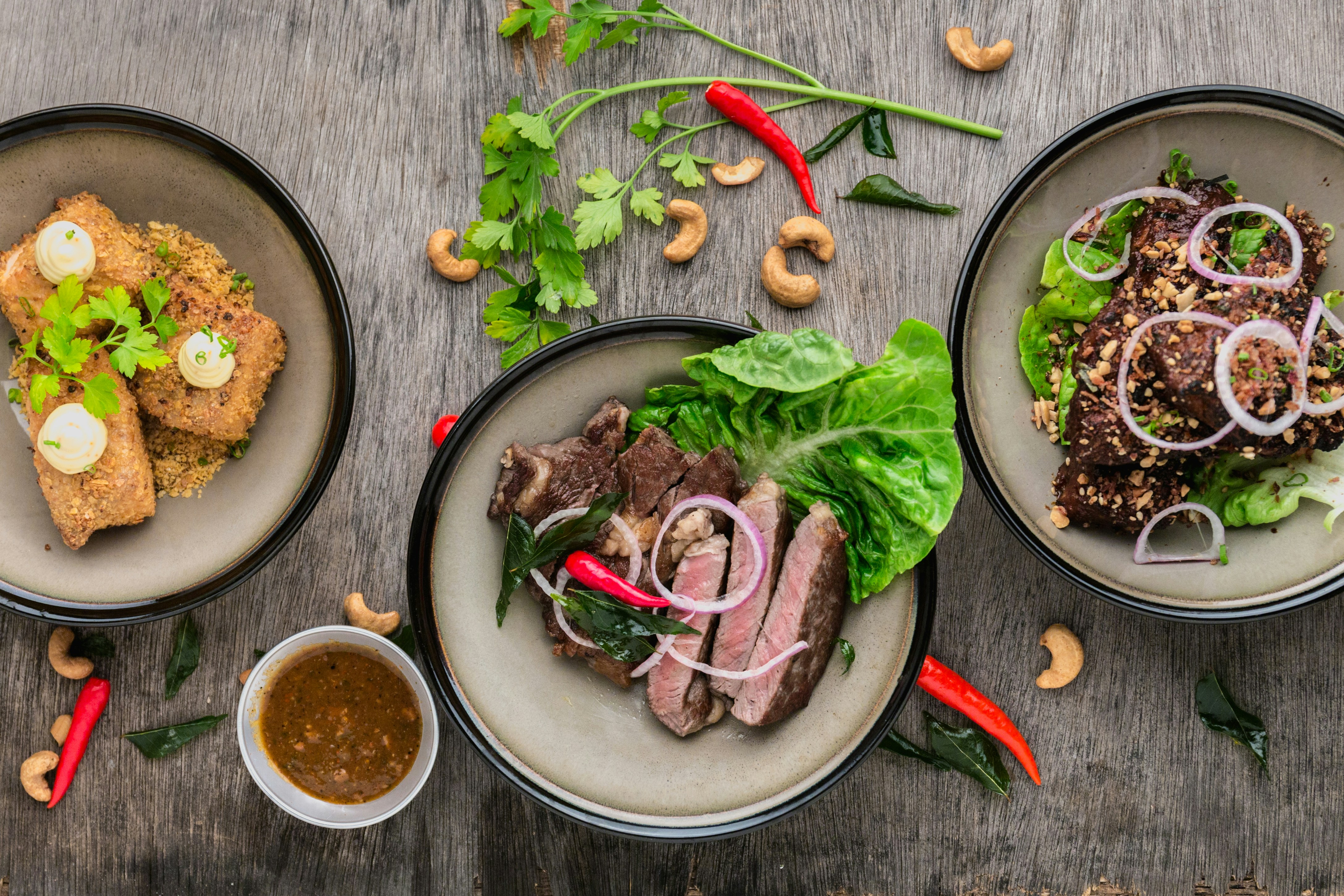
The best pad thai I ever had wasn't at the famous Thip Samai everyone raves about. It was from a cart with no name in the Sathorn area, run by a woman who'd been working that same corner for thirty years. Her secret? She didn't rush. She cooked each plate individually, waiting for that perfect moment when the noodles caramelized against the wok.
Street food in Thailand isn't just cheap food. It's where tradition lives, where recipes get passed down, where a vendor's entire livelihood depends on getting that one dish perfect every single time.
The Pad Thai Revelation
Real pad thai isn't sweet. That's the first thing to unlearn. The tourist versions pile on sugar and ketchup until it tastes like dessert. But stand in front of a cart where locals eat, and you'll get the real thing: a perfect balance of tamarind's tang, fish sauce's depth, palm sugar's subtle sweetness, and the funk of dried shrimp powder.
Watch for the carts with a line of motorbike taxi drivers. They know every cart in a five-kilometer radius, and they won't waste time on mediocre food. If it's good enough for the guy who eats street food three times a day, it's good enough for you.
What to expect: 50-80 baht ($1.50-2.40) from a cart, 100-150 baht at a shophouse restaurant.
Som Tam: The Salad That Fights Back
I once watched a vendor make som tam for a group of Isaan construction workers. She pounded the mortar with such force I thought the pestle would crack. Six chilies went in. Then eight. Then she added more fish sauce, more lime, more palm sugar, and somehow it all balanced perfectly.
The workers took one bite and nodded approvingly. I asked for mine "pet nit noi"—a little spicy. She smiled, added three chilies instead of ten, and it still made my eyes water. That's som tam. The flavors don't politely arrange themselves on your palate—they assault it. Sour from lime, spicy from chilies, salty from fish sauce, sweet from palm sugar, crunchy from green beans and peanuts, and that mysterious funk from fermented crab or dried shrimp.
The green papaya itself has almost no flavor. It's just a vehicle, a canvas for the vendor's art. And when you find a vendor who gets the balance right—not too sweet, not just spicy, but all the flavors singing together—you'll understand why Thais can eat this every single day.
Find it for: 40-60 baht ($1.20-1.80). The best vendors have mortars scarred from thousands of poundings.
The 2 AM Noodle Soup Cure
There's something about Thai noodle soup at 2 AM. You're stumbling out of a bar, or you just finished a night shift, or you can't sleep, and there it is: a cart with a pot of bone broth that's been simmering for twelve hours, another pot of clear soup, plastic baskets of noodles ready to blanch.
"What do you want?" the vendor asks. You barely know. You point. Thin noodles or wide? Pork or beef? Soup or dry? They assemble it in thirty seconds: noodles go into boiling water for ten seconds, get tossed with a dark seasoning sauce, topped with meat and greens, ladle of broth, and it's in front of you.
The broth tastes like time itself—deep, mineral, the kind of flavor you can't rush. You add your own condiments from the caddy on the table: chili vinegar for bite, sugar for balance, fish sauce for depth, dried chilies if you're brave. Each person at the table creates their own version.
This is kuay teow, and it's Thailand's soul food.
Cost: 50-70 baht ($1.50-2.10) for a bowl that will restore your faith in humanity.
Curry: Complexity in a Bowl
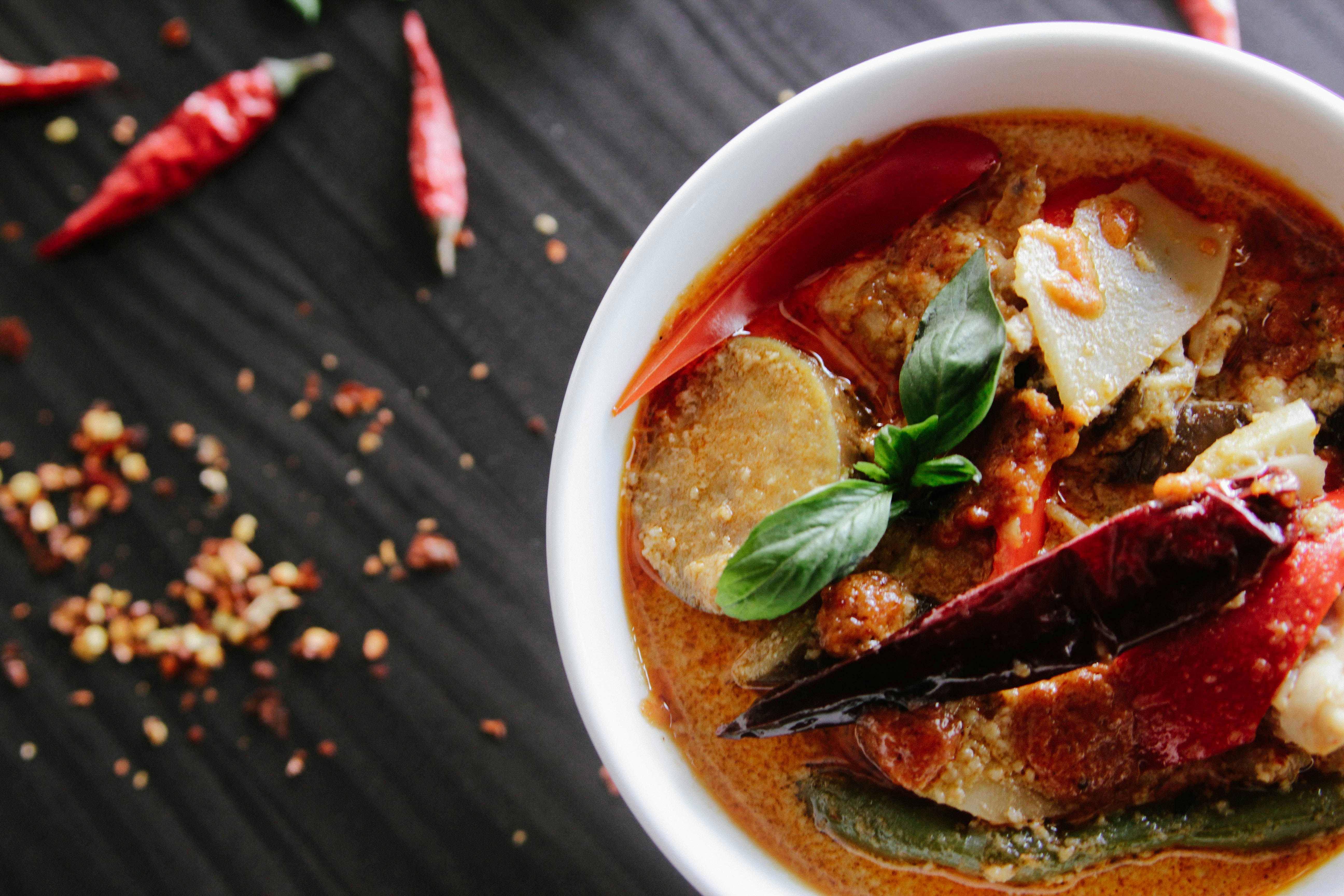
Thai curry is not Indian curry. Thai curry is not Japanese curry. Thai curry is its own universe, where coconut milk meets curry paste meets fish sauce meets palm sugar, and somehow the result is greater than the sum of its parts.
Green Curry at a Shophouse in Phra Khanong
The best green curry of my life came from a no-name shophouse restaurant in eastern Bangkok. The kind of place with fluorescent lights, metal tables, and a menu written in Thai only on the wall. I ordered without knowing what I'd get.
What arrived was a coconut milk-based curry so green it looked almost artificial, but the taste was anything but. Fresh green chilies, makrut lime leaves, Thai basil, lemongrass, galangal—every herb that grows in Thailand seemed to be speaking at once. The chicken was tender, the Thai eggplants had that slightly bitter edge that cut through the richness, and the whole thing had a heat that built slowly, creeping up from the back of your throat.
You don't eat curry alone in Thailand. You share. Order two or three curries for the table, get rice, everyone takes a spoonful of each. The red curry with duck is rich and slightly sweet. The massaman has that Persian influence—cinnamon, cardamom, potatoes, and peanuts making it almost stew-like. The panang is thick enough to coat a spoon, with that distinct peanut base.
The Real Cost of Curry
In tourist areas, curry will cost you 150-250 baht ($4.50-7.50) and come with three pieces of chicken floating in coconut milk that's too thin. In local restaurants, the same curry costs 80-120 baht and actually tastes like something.
The difference? Tourist restaurants make a pot in the morning and reheat portions all day. Local places make curry fresh in small batches. You can taste the difference.
| Curry Type | Price Range | What to Know | |------------|-------------|--------------| | Green Curry (Gaeng Keow Wan) | 80-120 ฿ | Hottest of the bunch, packed with herbs, best with chicken | | Red Curry (Gaeng Daeng) | 80-120 ฿ | Slightly milder, works with duck or pork, rich and savory | | Massaman | 100-150 ฿ | Mild, slightly sweet, Persian influences, needs slow cooking | | Panang | 90-130 ฿ | Thick, peanutty, less coconut milk, great with pork |
Night Markets: Where Dinner Becomes an Adventure
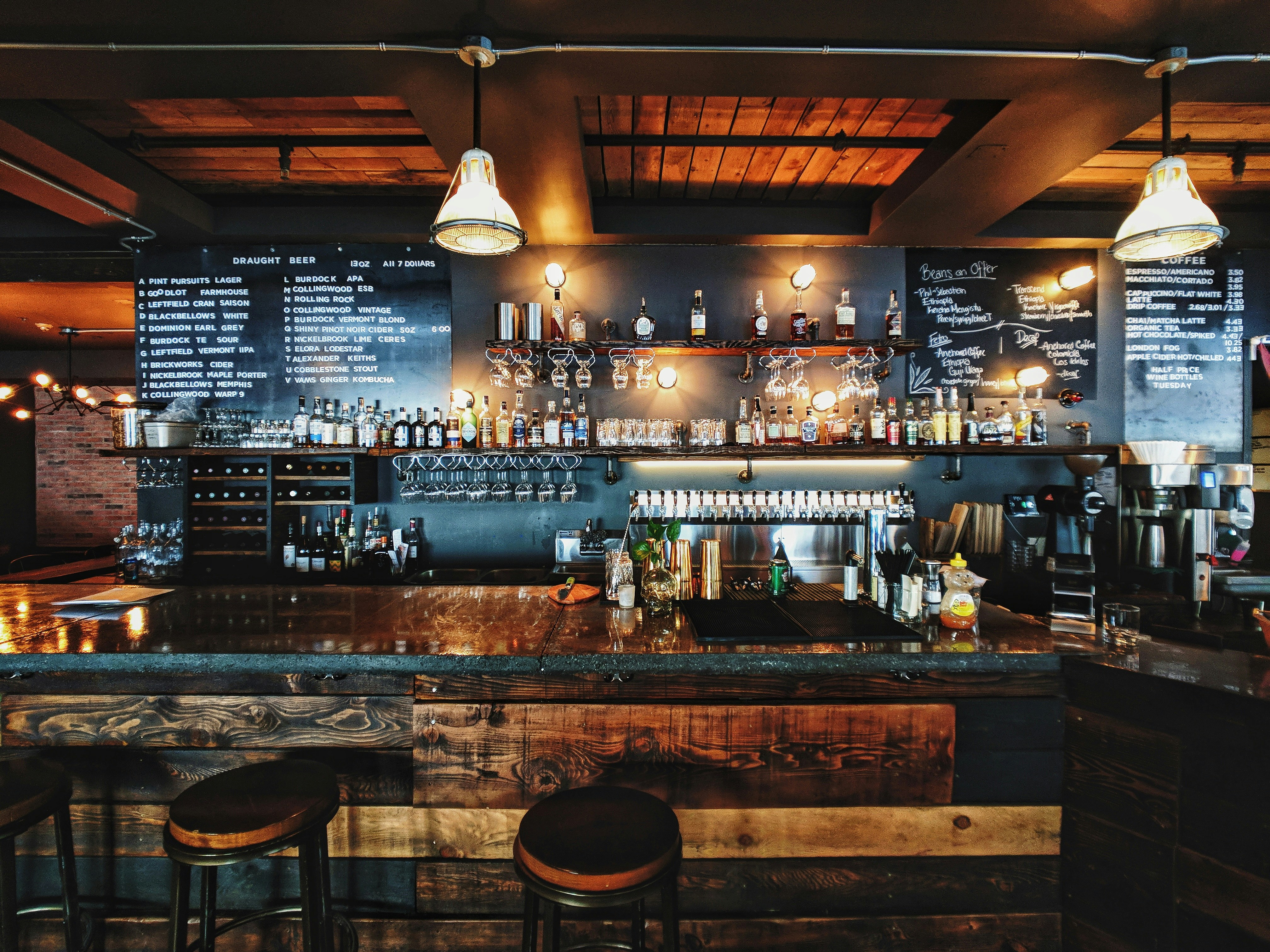
Night markets in Thailand aren't just places to eat. They're entertainment, social hour, and dinner rolled into one. The best ones open around 5 PM and run until midnight, with hundreds of stalls selling everything from grilled seafood to obscure Isaan delicacies you can't identify.
My routine at any night market goes like this: Walk through once without buying anything. See what locals are lining up for. Watch the cooking. Then circle back and commit.
The Sizzle and Smoke
You hear night markets before you see them. The sizzle of meat hitting hot grills. Vendors shouting "Aroy! Aroy!"—Delicious! Delicious! The crackle of something being deep-fried. The rhythmic pounding of som tam mortars.
You smell the smoke from charcoal grills, the sweetness of palm sugar caramelizing on sticky rice, the sharp sting of chilies hitting hot oil. Your stomach starts growling before you even arrive.
What to Eat
Moo ping (grilled pork skewers): Marinated in fish sauce, garlic, coriander root, and palm sugar, then grilled over charcoal until the edges char. Sold with sticky rice and a tangy, spicy dipping sauce. 10 baht per stick. I've eaten entire meals of just these.
Gai yang (grilled chicken): Flattened whole chickens butterflied and grilled until the skin is crackling and the meat is smoky. The vendors fan the flames so the fat drips and causes these little bursts of fire that char the skin. A quarter chicken with sticky rice and som tam: 80 baht.
Grilled seafood: On the coast, the night markets explode with seafood. Giant river prawns grilled in their shells, whole fish stuffed with lemongrass, squid that gets scored and grilled until it curls. Watch them grill it in front of you. Fresh-caught that afternoon, eaten that evening.
Khao niao mamuang (mango sticky rice): This deserves its own section.
The Sweetness: Mango Sticky Rice and Why It Matters

I've had mango sticky rice in fancy restaurants where they charge 200 baht and it comes with edible flowers and gold leaf. I've had it from carts where an old woman makes it in batches of five and charges 60 baht.
The cart wins every time.
Good mango sticky rice is about balance. The rice—glutinous rice, steamed until it's tender and sticky—gets mixed with coconut cream and palm sugar while it's still hot. The coconut cream should be rich but not cloying, the sugar should add sweetness without overwhelming, and the rice should have that perfect sticky texture where each grain is distinct but they all cling together.
The mango needs to be perfectly ripe. Not the hard green mangoes used for som tam, but the honey-sweet yellow varieties that are so ripe the juice runs down your chin. The vendor should slice it thin, fan it out on the plate, and the cold sweetness of the mango against the warm, coconut-rich rice is one of those combinations that seems simple but is devastatingly effective.
Some vendors add crispy mung beans on top for texture. Some drizzle extra coconut cream. The best ones make it look effortless, but I've tried to replicate it at home and never quite get it right. There's something about the coconut cream in Thailand, the way they salt it, the way they reduce it. Or maybe it just tastes better sitting on a plastic stool watching motorbikes go by.
Look for: 60-80 baht ($1.80-2.40) for a proper serving. Mango season is March-May when it's cheapest and best.
Regional Journeys Through Flavor
Thailand isn't one cuisine. It's four distinct regions, each with their own ingredients, techniques, and flavor profiles.
The North: Where Coconut Fear to Tread
Chiang Mai food is different. Less coconut milk, more herbs, more fermented things, more influence from Burma and Laos. The signature dish is khao soi—a coconut curry noodle soup that's unlike anything else in Thailand.
I had my first proper khao soi at a place that wasn't even a restaurant, just someone's house where they set up tables in the front yard. The curry was rich and just slightly spicy, the noodles were both soft (in the soup) and crispy (on top), and the pickled mustard greens that came on the side cut through all that richness.
They served it with a plate of condiments: lime wedges, shallots in vinegar, chili oil, fermented cabbage. You doctor it yourself. Every bite is different. This is Northern Thai food—complex, balanced, never one-dimensional.
Cost: 60-90 baht ($1.80-2.70) in Chiang Mai, more expensive and rarely authentic elsewhere.
Isaan: Where Spice is a Way of Life
Isaan food doesn't apologize. It's the spiciest, most aggressively flavored food in Thailand, and it's everywhere because Isaan people have migrated all over the country, bringing their food with them.
The food is all about fermentation, grilling, and chilies. Larb (meat salad) is minced meat tossed with lime juice, fish sauce, toasted rice powder, mint, and enough chilies to make your lips numb. Nam tok is similar but with grilled meat. Sai krok Isaan are fermented sausages that taste sour and funky and are absolutely addictive.
Everything is eaten with sticky rice. You grab a ball of rice with your hands, dip it in the larb or nam tok, and the rice becomes a vehicle for all those intense flavors.
I once ate with an Isaan family at their village house. They made som tam with fermented crab (som tam poo), larb that was so spicy I could barely breathe, and sticky rice fresh from the steamer. The matriarch kept adding more food to my plate. "Gin! Gin!"—Eat! Eat! It was one of the best meals of my life, and I'm pretty sure the whole thing cost them less than 100 baht to make.
The South: Where Malaysia Meets Thailand
Southern Thai food is different again. More turmeric, more Indian influence, more seafood, and somehow even spicier than Isaan. Gaeng tai pla (fish kidney curry) is so spicy and funky that most Thai people won't eat it. I tried it once in Trang and spent the next hour sweating and drinking coconut water.
But the south also gave us massaman curry, which is one of the mildest, most approachable Thai curries—a testament to Muslim-Thai culture and its Persian spice influences.
And on the islands, the seafood is ridiculous. Whole fish grilled with salt crust, prawns the size of your forearm, crab curry that's sweet and spicy and perfect with rice.
Bangkok: The Melting Pot
Bangkok has everything. Every regional cuisine has representation, plus Chinese-Thai food, Muslim-Thai food, and every modern fusion you can imagine. You can eat boat noodles from Victory Monument (15 baht for a tiny bowl—order five), Yaowarat's street food in Chinatown (best at midnight), or khao man gai from Pratunam market (the pink sauce is the secret).
Bangkok is where I learned to eat. Walking through different neighborhoods, trying different specialties, realizing that the city is too big and too diverse to ever fully know. Which means there's always something new to discover.
The Practical Bits: Eating Well for Less
Here's the truth: You can eat incredible food in Thailand for pocket change. But you have to know how.
Most days, I eat breakfast at a local shop (rice porridge or jok, 40 baht), lunch wherever I'm working (khao krapao or khao man gai, 60 baht), and dinner at a night market or shophouse restaurant (150-200 baht for several dishes plus a beer). Total: 250-300 baht, or about $7-9 per day. And I eat phenomenally well.
The Rules for Eating Like a Local
Follow the crowds. If it's empty at lunch time, there's a reason. Thais vote with their feet and their baht. A line of office workers at noon means the food is good and cheap.
Eat what's cooking right now. Street food that's made to order is safer and tastier than anything that's been sitting. Watch them crack the eggs into your pad thai, watch them grill your chicken. Fresh equals safe.
Don't be afraid of plastic stools. The best food often comes from places with terrible ambiance. Plastic stools, fluorescent lights, no English menu—these are signs you're in the right place.
Branch out from pad thai. It's good, but it's like going to Italy and only eating pizza. Try khao krapao (holy basil stir-fry), khao man gai (chicken rice), larb, nam tok, boat noodles, khao soi. Thailand's food is vast.
Learn to say "a-roi." It means delicious, and vendors light up when you use it. It's also useful to learn "mai pet" (not spicy), though understand that Thai "not spicy" might still have a kick.
Where the Best Food Actually Is
The best som tam I know is from a cart near the On Nut BTS station in Bangkok. The best khao soi is from a nameless shophouse in Chiang Mai's old city. The best boat noodles are from an alley near Victory Monument. The best khao man gai is at Pratunam market.
None of these places have English signs. None are in guidebooks. They're places you stumble into, or that locals recommend, or that you find because you walked down an alley that smelled amazing.
That's the thing about Thai food: The best stuff isn't marketed. It doesn't need to be. It speaks for itself, one plate at a time.
The Food That Stays With You
Years from now, when you think about Thailand, you won't remember the hotel room or the flight. You'll remember the taste of that pad thai at 2 AM, the burn of som tam on a hot afternoon, the comfort of khao man gai after a long day. You'll remember the vendor who smiled when you used your broken Thai, the night market where you tried grilled squid for the first time, the curry that was so good you went back three days in a row.
Thai food isn't just sustenance. It's the reason people fall in love with this country. It's affordable enough that you can experiment, diverse enough that you'll never get bored, and delicious enough that you'll find yourself craving it years after you leave.
So forget the tourist restaurants. Skip the place with the English menu and pictures. Walk down the soi where locals eat. Point at what looks good. Say "one please"—ao neung ka/krap.
Your taste buds will thank you. Your wallet will thank you. And you'll understand why some of us keep coming back.
Continue Reading

Thailand Packing List: What to Bring vs Buy There (2025)
After seven trips and countless packing mistakes, I've learned the hard truth: you need half what you think. Here's the real story of what to pack, what to skip, and what's actually cheaper to buy in Thailand.

Thailand Rainy Season: Is It Worth Visiting? (Honest Guide)
50% cheaper hotels, empty beaches, and it doesn't rain as much as you think. Here's the truth about visiting Thailand in monsoon season.

Best Time to Book Thailand Flights: Save $100-400 (2025 Guide)
The flight booking strategies I wish someone had told me before my first Thailand trip. Real stories, price discoveries, and the timing tricks that saved me hundreds.