
Budget vs Luxury Thailand: What You Actually Get for Your Money
This post contains affiliate links. We may earn a commission at no extra cost to you. Full disclosure

The night I spent 200 baht on a bamboo beach hut in Koh Lanta, I fell asleep to the sound of waves crashing thirty feet from my door. The ceiling fan barely worked, there was sand in my sheets, and a small gecko lived in the corner of the bathroom. I woke up to sunrise over the Andaman Sea and had breakfast at a beach shack where an old Thai woman made me the best mango sticky rice I've ever tasted for 40 baht.
Three years later, I spent my honeymoon in a private pool villa in Koh Samui that cost more per night than I'd spent on entire weeks of that first backpacking trip. A butler brought us champagne at sunset. Our infinity pool seemed to spill directly into the jungle canopy below. Breakfast arrived on silver trays each morning, and we never had to leave the property to feel like we'd been somewhere extraordinary.
Here's what surprised me: I loved both experiences equally, just differently. And that's the secret about traveling Thailand that nobody tells you upfront. It's not about which way is better. It's about understanding what you're actually paying for, what genuinely enhances your experience, and what's just expensive window dressing on an already magical destination.
The Philosophy of Price in Paradise
Thailand has this remarkable ability to accommodate every type of traveler without judgment. Walk down any street in Bangkok and you'll see backpackers in elephant pants eating 40-baht pad thai from a street cart, sitting next to well-dressed couples who just dropped 3,000 baht on dinner at a rooftop restaurant. Both groups are happy. Both are having authentic Thailand experiences. Both will go home with incredible stories.
The real question isn't "what can I afford?" but rather "what kind of traveler am I, and what actually matters to me?" Because here's the truth: you can have a genuinely transformative Thailand experience on 800 baht per day or 10,000 baht per day. The difference is not in the quality of your experience, but in its texture, pace, and flavor.
I've met twenty-two-year-old backpackers who had more meaningful cultural interactions in a week than some resort guests have in a month. I've also watched exhausted couples in their forties rediscover each other over sunset cocktails at a private villa after years of stressful careers and raising kids. Both trips were exactly what those travelers needed. Both were money well spent.
What Budget Travel Actually Looks Like
Let's start by demystifying the backpacker experience, because if you've never done it, you might have misconceptions. When I say I traveled Thailand on 1,000 baht per day, I don't mean I was suffering or slumming it. I mean I was making deliberate choices about where to allocate limited resources, and those choices came with their own set of rewards.
My typical day cost breakdown looked something like this: 400 baht for a clean private bungalow with fan and cold shower, 300 baht for all my meals from street vendors and local restaurants, 150 baht for a rented scooter or local transport, and 150 baht for beers, coffees, and incidentals. That's roughly 30 US dollars giving me a full day of exploring one of the world's most fascinating countries.
The accommodation was simple but rarely unpleasant. I learned to request rooms away from the road, to check mattresses before committing, and to appreciate the luxury of being so close to the beach that you could hear it. Yes, there were occasional thin walls, temperamental showers, and the odd insect visitor. But there was also a rotating cast of interesting fellow travelers, helpful guesthouse owners who became friends, and a sense of flexibility where I could change plans on a whim because I wasn't locked into expensive bookings.
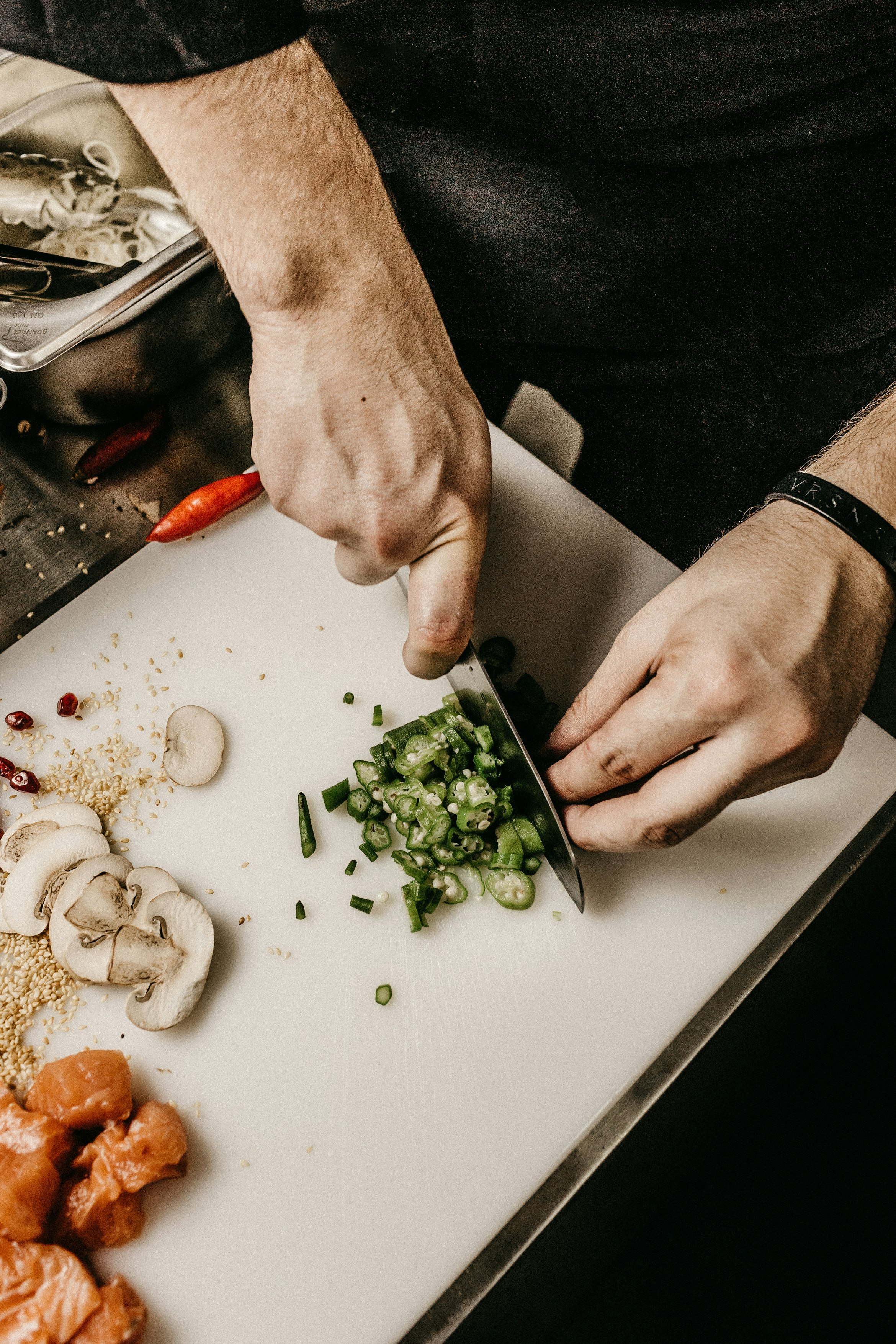
Food at this budget level is actually where things get interesting. Street food in Thailand isn't just cheap, it's often the best food in the country. That woman making pad thai from a cart at the night market? She's been perfecting that one dish for twenty years. Her overhead is low, her ingredients are fresh from the morning market, and she takes fierce pride in her work. The result is something that no resort restaurant, with all its air conditioning and English menus, can quite replicate.
I remember sitting at a plastic table under fluorescent lights in a nondescript shophouse in Bangkok's Chinatown, eating the most incredible khao soi I'd ever tasted. The place had no name in English, no Instagram presence, nothing to recommend it except for the line of local customers that formed every evening around six. Cost? 60 baht. That same night, I walked past a fancy fusion restaurant where the same dish was 350 baht and, I'm willing to bet, not as good.
The transportation is where budget travel requires patience. Eleven-hour overnight buses, ferry rides on vessels that look like they've seen better decades, third-class train cars with hard seats and open windows. But here's what happens on those journeys: you talk to people. That overnight bus to Chiang Mai where I ended up sitting next to a Thai university student who invited me to her family's home? Never would have happened in a private transfer. The ferry ride to Koh Tao where I met three other travelers who became my dive buddies for the week? That's budget travel magic.
Activities at this level require selectivity. You can't do everything, so you choose what matters most. Maybe you splurge on the four-island boat tour but skip the expensive cocktail bars. Perhaps you pay for the cooking class but drink 50-baht Changs instead of 200-baht craft beers. This forced prioritization can actually enhance your trip. When you can only afford to do a few special things, you appreciate them more fully.
The social dimension of budget travel is perhaps its greatest asset. Hostel common rooms, shared minivans, group tours, beach bars where everyone's drinking the same cheap beer. You're constantly meeting people, swapping travel stories, getting recommendations for the next destination. I met some of my closest friends in hostel dorms in Thailand. There's something about shared simplicity that breaks down barriers quickly.
But let's be honest about the downsides too. Budget travel, especially over weeks or months, can be exhausting. There's always something slightly broken, slightly uncomfortable, slightly more difficult than it needs to be. Bad wifi when you need to work. Thin mattresses that leave you with a sore back. Rooms that are sweltering hot in the afternoon. The constant mental math of converting baht and deciding if something is worth it.
Around week five of my first long Thailand trip, I remember feeling weary. Not of Thailand, but of the logistics of budget travel. The negotiating, the researching, the compromising. That's when I understood why some people pay more, and that understanding would change how I traveled forever.
The Middle Path: Where Comfort Meets Value
If backpacking is the ascetic monk's path and luxury is the emperor's procession, mid-range travel is the middle way. This is where most experienced Thailand travelers eventually land, and for good reason. It's the sweet spot where you're comfortable enough to genuinely relax but not so insulated that you miss the authentic texture of Thailand.
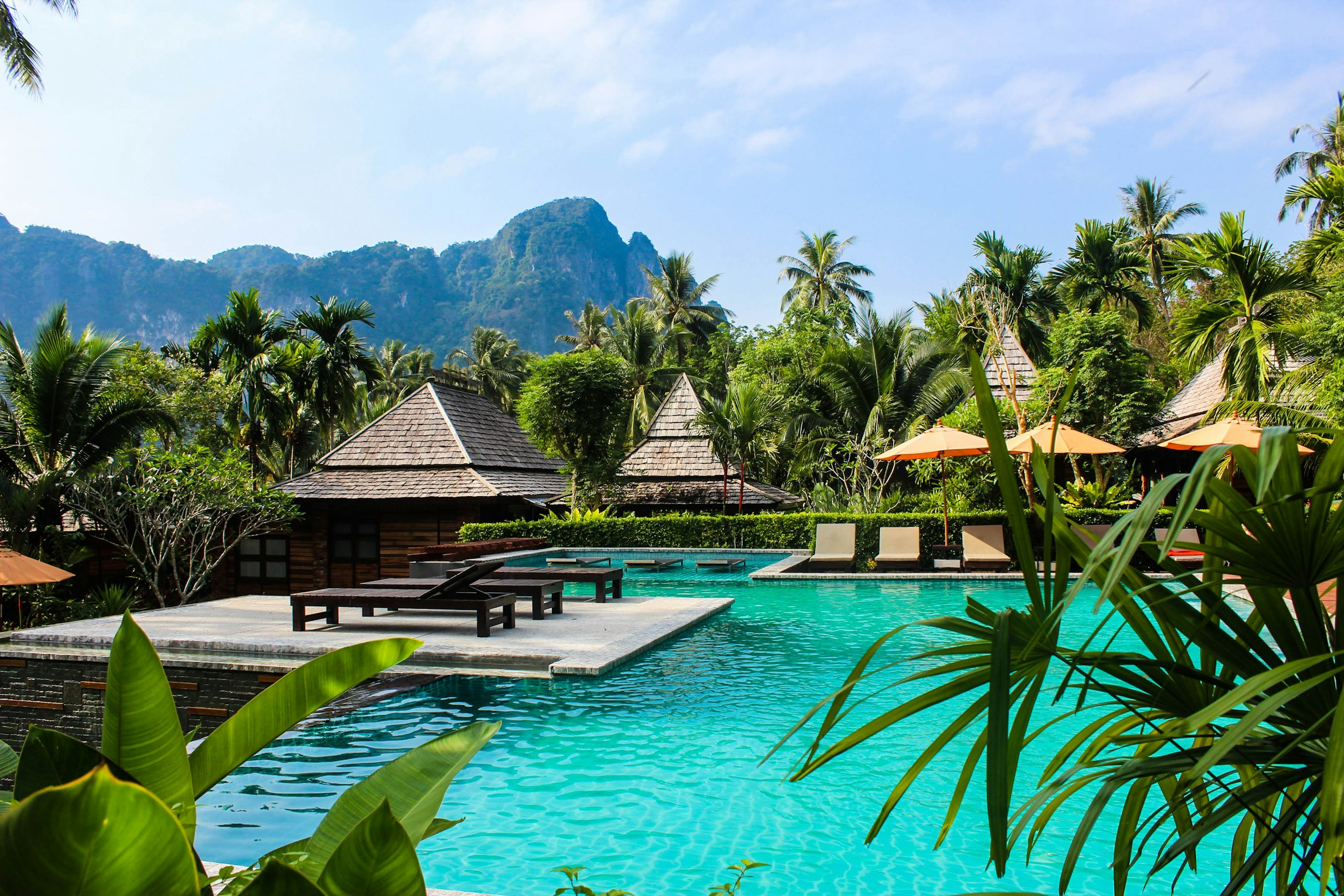
At 2,500 to 3,000 baht per day, your Thailand experience transforms. Not dramatically, not in ways that matter to the soul of your trip, but in small comforts that accumulate into genuine quality of life. Your accommodation has reliable air conditioning, a hot shower, and a bed that doesn't leave you aching. Often there's a pool, breakfast included, and staff who speak enough English to help with tour bookings.
I remember the first time I upgraded to a boutique hotel in Chiang Mai's Old City after weeks of budget guesthouses. It cost 1,200 baht per night, triple what I'd been paying, but it had a gorgeous courtyard garden, a small pool, and rooms with actual design thought put into them. The included breakfast meant I started each day properly fed without having to make decisions before coffee. That one upgrade made the next two weeks in Chiang Mai immeasurably better.
At the mid-range level, you can mix street food with proper restaurants without financial stress. Some days you'll still eat that incredible 50-baht pad see ew from the cart, but other days you'll sit in an air-conditioned restaurant with a real menu, trying that northern curry you've been curious about while enjoying a craft beer. You can afford the nicer spa, the private longtail boat, the slightly better tour operator with newer equipment and better reviews.
Transportation becomes dramatically more pleasant. Instead of the overnight bus, you take an evening flight. Instead of squeezing into a shared songthaew, you book a comfortable private transfer. These aren't extravagances, they're time-savers. That budget bus journey saves you 1,500 baht but costs you ten hours and arrives at 5 AM. The flight costs 2,200 baht but gets you there in an hour, and you arrive refreshed instead of exhausted. When you have limited vacation time, that math changes completely.
The real luxury of mid-range travel is mental space. You're not constantly calculating whether you can afford something. You're not lying awake at night feeling the heat because air conditioning wasn't in the budget. You're not exhausted from the logistics of saving money. This mental freedom allows you to be more present, more spontaneous, more open to experiences as they arise.
I started traveling this way in my early thirties when I had a bit more money but, crucially, much less time. Two-week vacations instead of three-month adventures. I quickly realized that when you only have fourteen days, spending two of them recovering from brutal bus journeys is poor resource allocation. The extra money I spent on comfort gave me more Thailand, not less.
The social dynamic shifts at this level. You're staying in places where couples and families travel, people on shorter trips, often slightly older demographics. The hostel common room camaraderie is replaced by quieter interactions, poolside conversations, the occasional dinner with fellow travelers you meet at the hotel. It's less intense, sometimes less fun, but also less exhausting. You can be social when you want and private when you don't.
Mid-range is also where you have the flexibility to occasionally splurge without breaking your budget. Want to book that fancy restaurant everyone raves about? A three-hour Thai massage at a proper spa? A private cooking class? At this budget level, these aren't trip-breaking decisions. You can say yes to special experiences without immediately calculating what you'll have to sacrifice elsewhere.
When Luxury Actually Makes Sense
I was skeptical of luxury travel in Thailand for years. Why would anyone pay 12,000 baht per night for a hotel room when you could get something perfectly adequate for 1,500? Why spend 2,000 baht on dinner when street food is both cheaper and arguably more authentic? The whole concept seemed wasteful, especially in a country where modest budgets could stretch so far.
Then I booked that honeymoon villa, and I understood completely.
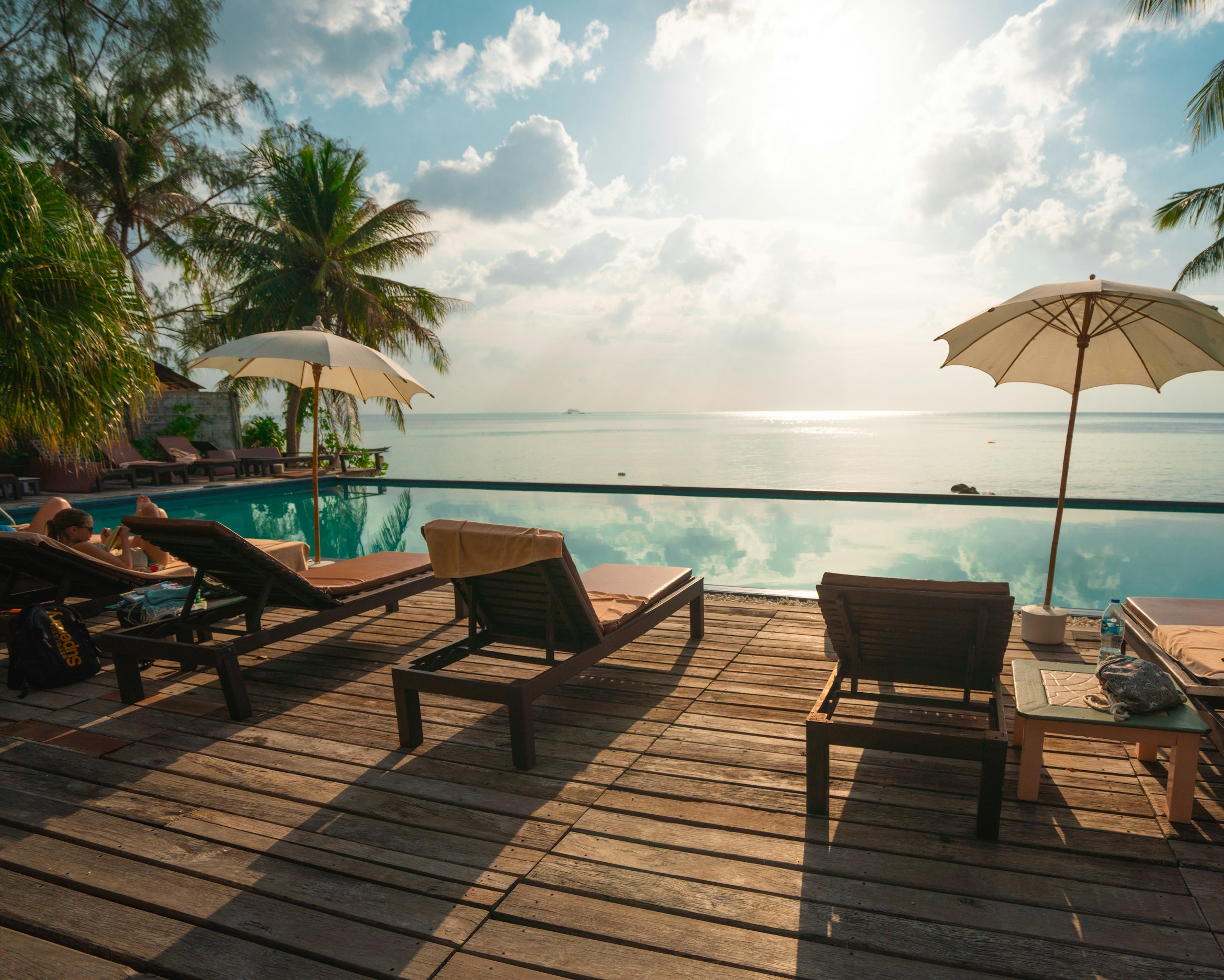
Luxury travel in Thailand isn't about getting more of the same thing. It's about accessing entirely different experiences. Our villa wasn't just a nicer hotel room, it was a private world. Forty square meters of infinity pool overlooking jungle that dropped away to the sea. An outdoor bathroom where you showered under stars. A living space that blurred the line between indoors and out. A butler who learned our preferences and anticipated needs we didn't know we had.
The resort grounds were stunning in ways that can't be achieved without serious investment. Every tree placed deliberately, every sight line considered, every detail refined. The spa was built into a hillside with treatment rooms overlooking the ocean. The restaurant served Thai fusion that managed to honor tradition while pushing boundaries. The bartender knew thirty different gin and tonics and would make you something custom based on your mood.
But here's what I realized: this kind of travel isn't about Thailand anymore, not really. It's about luxury that happens to be located in Thailand. You could have a similar experience at a Four Seasons in Bali or the Maldives or Mexico. The exceptional service, the stunning design, the feeling of being utterly cared for, these are universal luxury resort qualities.
That doesn't mean it's not worth it, it just means you should understand what you're paying for. You're paying to feel special, to be pampered, to have every decision made for you and made well. You're paying for privacy and exclusivity, for the quiet that comes when there are only thirty villas spread across twenty acres. You're paying for Instagram-worthy moments and for genuine relaxation that comes when everything is handled.
The food at luxury resorts in Thailand is an interesting case study. The resort breakfast buffet, with its dozens of options and made-to-order stations, costs more than I used to spend on food in an entire day. It's good, often excellent. But is it better than breakfast at a local shophouse? No, just different. The resort offers convenience, variety, and ambiance. The local place offers authenticity, simplicity, and that indefinable quality of realness.
Where luxury truly shines is in special circumstances. Honeymoons, milestone anniversaries, that one big trip to celebrate something important. Or when you're traveling with family and want everything smooth, especially with young kids or elderly parents. Or when you're so exhausted from work that planning anything sounds terrible and you just want to be taken care of.
I've also come to appreciate luxury as an occasional treat rather than a constant state. Three nights at a proper resort after two weeks of mid-range exploration can feel transcendent. You arrive tired from traveling, you sink into that high-thread-count bedding, you order room service without looking at prices, you spend a day doing nothing but pool and spa and excellent meals. Then you leave, refreshed, and continue your trip at a more sustainable pace and price point.
The smartest luxury splurge I ever made was booking three nights at a small five-star resort in Krabi between two weeks of backpacking in northern Thailand and a week exploring islands. It cost a quarter of my total trip budget but provided a reset button I desperately needed. I returned to budget travel feeling refreshed instead of burnt out, and it extended my trip by giving me energy to continue.
The mistake I see people make is treating Thailand as a luxury destination for their entire trip. Two weeks at high-end resorts, private transfers everywhere, fine dining every night. They have a wonderful time, but they've also spent the equivalent of a three-month budget trip on a two-week resort experience. And they've missed so much of what makes Thailand special, the street-level interactions, the messiness, the surprises you encounter when you're not insulated by luxury.
The Real Cost Comparison: A Week in Koh Samui
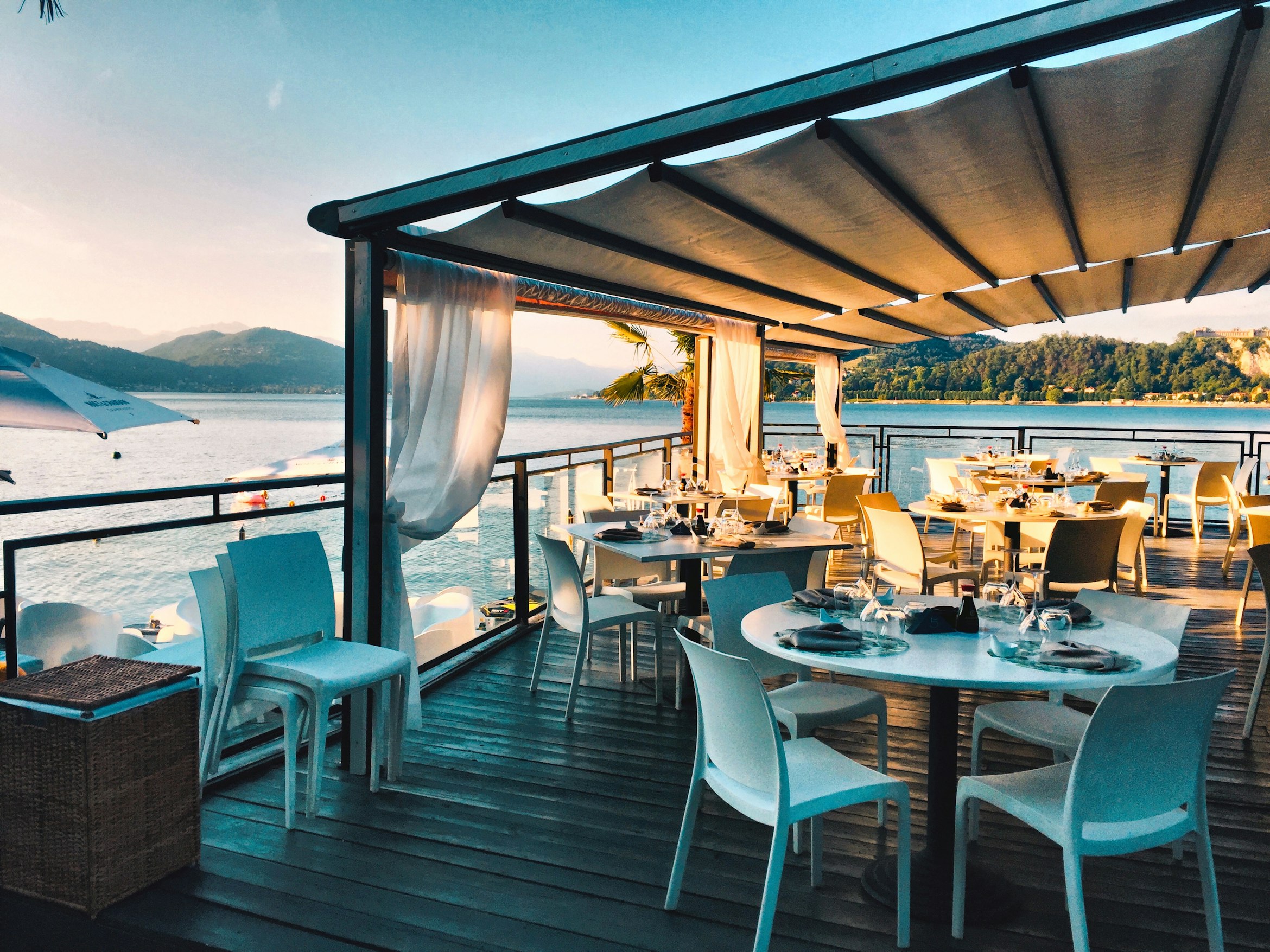
Let me walk you through what the same week on Koh Samui looks like at three different budget levels, not just in terms of money but in terms of actual experience. This isn't about numbers in a table, it's about understanding what changes and what stays the same.
The Backpacker Week: You stay in a fan bungalow near Lamai Beach for 600 baht per night. It's basic but clean, with a cold shower and a hammock on the porch. You rent a scooter for 2,100 baht for the week, giving you complete freedom to explore. Breakfast is fruit and coffee from 7-Eleven, lunch is whatever you discover while exploring, dinner is at beach restaurants and night markets. You spend around 400 baht per day on food, maybe more when you find a place with great reviews.
Your activities are mostly free or cheap: beaches, viewpoints, temple visits, wandering markets. You do one boat tour to Ang Thong Marine Park for 1,200 baht. You get an excellent Thai massage on the beach for 300 baht. Evenings involve sunset beers at beach bars, maybe a fire show, conversations with other travelers. Total week: roughly 15,000 baht, or about $450.
The Mid-Range Week: Your boutique hotel near Chaweng costs 2,500 baht per night and includes breakfast, which is good enough that you're energized for the day. You still rent a scooter because it's practical, or you mix scooter days with Grab rides for convenience. Lunch might be at beachfront restaurants, dinner at places with good reviews and actual wine lists. Daily food budget around 1,000 baht, not because you're eating more but because you're choosing atmosphere as much as food.
You book a private longtail boat tour for a few hours instead of the big group tour, costing 3,500 baht but allowing you to go at your own pace. You visit a proper spa for a two-hour treatment package at 2,200 baht. You have sundowners at a nice beach club a couple of times. You're not worrying about money constantly but you're also not wasteful. Total week: roughly 35,000 baht, or about $1,000.
The Luxury Week: You're at a five-star resort with a pool villa costing 15,000 baht per night. Breakfast is included and elaborate. You barely leave the resort grounds for the first two days because why would you? On day three, you book a private guided island tour by speedboat for 18,000 baht, just the two of you plus crew. The resort's Thai restaurant is excellent if overpriced, so you eat there twice despite resort dining averaging 1,500 baht per person per meal.
You book the resort spa's signature treatment for 8,000 baht for two. You have sunset cocktails at the resort bar where drinks are 400 baht each. You do venture out for one dinner at a famous seafood restaurant on the other side of the island, taking a private car arranged by the resort. Your days are deliberately slow, luxurious, intentional. Total week: roughly 150,000 baht, or about $4,300.
Now here's the interesting part: all three travelers will go home with stories about how beautiful Koh Samui is. All three will have photos of stunning beaches, dramatic sunsets, incredible food. The backpacker might have more stories about random encounters and adventures. The mid-range traveler probably had the most balanced experience of comfort and exploration. The luxury traveler felt deeply rested and pampered.
Which trip was better? Impossible to say. Which trip was "worth it?" That depends entirely on your life circumstances, travel style, and what you need from this trip right now.
What Money Actually Buys You (And What It Doesn't)
After experiencing Thailand at every budget level, I've developed strong opinions about where money makes a real difference and where it's largely cosmetic. This matters because if you understand the value equation, you can make strategic choices that maximize your experience regardless of total budget.
Where spending more genuinely improves your experience:
Accommodation comfort for stays longer than a few days makes a profound difference to your well-being. The gap between a stuffy fan room and reliable air conditioning when it's 35 degrees outside isn't luxury, it's necessity. A comfortable mattress when you're sleeping somewhere for a week matters enormously. These upgrades directly impact your energy, mood, and health.
Transportation time-savings are almost always worth it when vacation days are limited. The difference between a 12-hour bus journey and a 90-minute flight is a full day of your trip. When you only have two weeks, spending an extra 1,500 baht to save ten hours is excellent value. Your time is worth something.
Quality accommodations in locations that matter can be trip-defining. That beachfront bungalow where you wake up to ocean views versus the one three blocks back costs triple but creates an entirely different daily rhythm. Sometimes location is everything.
Where spending more delivers diminishing returns:
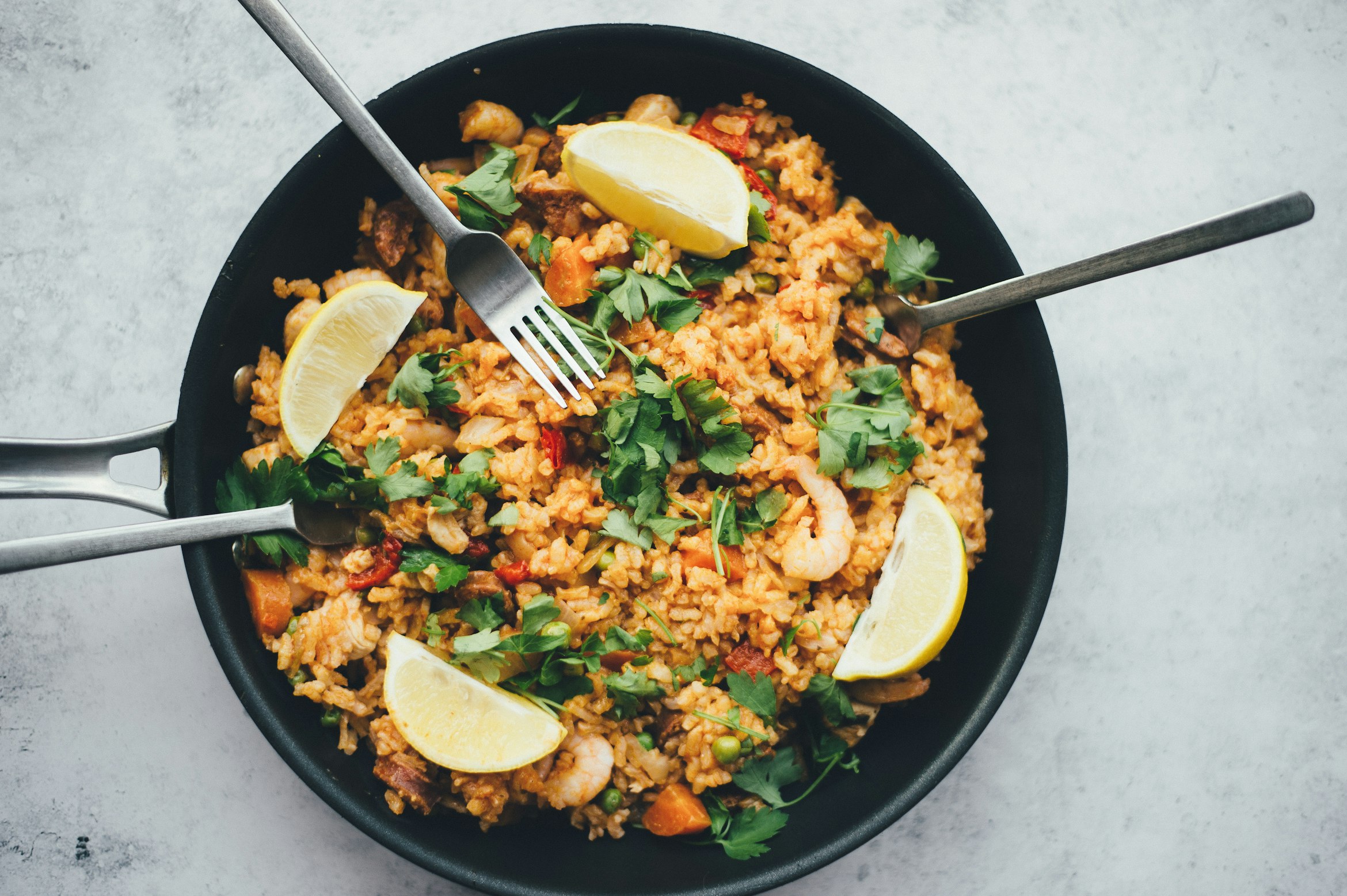
Food quality plateaus quickly in Thailand. The jump from 60-baht street pad thai to 180-baht restaurant pad thai is noticeable in setting and service, but the food itself? Often the cheaper version is actually better. Meanwhile, the 500-baht fusion version at a high-end restaurant is no longer competing on authenticity but on presentation and ambiance. Sometimes you want that, but don't confuse it with better food.
Most activities and tours have quality sweet spots that are mid-priced. The difference between a 1,000-baht island tour and a 1,500-baht island tour with a better boat and smaller group is significant. The difference between that 1,500-baht tour and a 10,000-baht private speedboat tour is mostly about exclusivity and Instagram flex. Unless you're proposing or have screaming children, the mid-tier option is usually optimal.
Beach and ocean access above a certain level is just marketing. Yes, the Four Seasons beach is impeccably maintained and probably less crowded. But the ocean? Same ocean. The sunset? Same sun. Thailand's natural beauty is remarkably democratic. The backpacker on the public beach is seeing the same incredible scenery as the resort guest twenty meters away.
Where money changes nothing:
The friendliness and warmth of Thai people is completely independent of how much you're spending. The resort staff are professionals trained in hospitality, which is wonderful. But the random auntie at the street food stall who doesn't speak English but communicates entirely in smiles and makes sure you have extra sauce? That connection is priceless and available at every budget level.
Cultural experiences and authentic moments can't be purchased. The spontaneous Songkran water fight, the local festival you stumble into, the temple at dawn before the tour groups arrive, these happen based on timing and curiosity and openness, not budget. Some of my most memorable Thailand moments cost nothing.
The sense of wonder and discovery is entirely internal. I've seen jaded luxury travelers bored at stunning resorts and backpackers absolutely enchanted by everything. Your mindset and openness matter infinitely more than your accommodation tier.
Finding Your Travel Identity
The secret that travel marketers don't want you to know is that there's no wrong way to travel Thailand. The question isn't "which budget is best?" but rather "who are you as a traveler right now, in this moment of your life?"
I traveled Thailand as a broke twenty-three-year-old with time abundance and money scarcity, staying in hostels and eating street food for three months straight. It was magical because it needed to be nothing more than adventure and novelty. I was young enough that a hard mattress was just part of the story, old enough to handle myself in unfamiliar situations, unattached enough to follow whims.
I traveled Thailand as a thirty-year-old with more money but far less time, staying in nice hotels and eating at proper restaurants for two-week vacations. It was wonderful because I needed genuine rest, comfortable sleep, and the efficiency of not having to research every decision. I was at a life stage where vacation days were precious and recovery time was necessary.
I traveled Thailand on honeymoon with true luxury as the goal, spending more on four nights than I once spent on entire months. It was perfect because that trip was never about seeing Thailand, it was about creating a milestone memory in a beautiful setting. The luxury was the point, Thailand was the backdrop.
All three versions were exactly right for who I was and what I needed at that moment. Your ideal Thailand trip is equally specific to your circumstances.
Ask yourself these questions honestly: How much vacation time do I have? How important is sleep and comfort to my enjoyment? Do I have energy for constant decision-making and logistics? Am I traveling solo or with others whose needs differ from mine? Do I want to return home rested or return home with stories? There are no wrong answers, but knowing your answers will guide every budget decision you make.
If you're young or young-spirited, if you have time abundance, if you're traveling solo or with other adventurous friends, if you genuinely enjoy the social aspect of hostel culture and the adventure of uncertainty, then budget travel in Thailand will give you experiences that money cannot replicate. The forced resourcefulness, the social necessity, the authentic encounters, these emerge naturally from budget constraints.
If you're middle-aged or value-your-sleep-aged, if you have limited vacation days, if you're traveling with a partner who likes comfort or kids who need routine, if you work hard and want vacation to feel genuinely different from daily life, then mid-range travel offers the best return on investment. You get comfort without isolation, quality without excess, flexibility without chaos.
If you're celebrating something significant, if you're exhausted and need genuine rest, if you're traveling with family across generations with varying mobility, if you've done the backpacking thing and want to experience Thailand from a different angle, then occasional luxury makes complete sense. Just understand you're paying for the luxury experience itself, which happens to be in Thailand, rather than paying to see more of Thailand.
The Mixed-Budget Strategy (My Actual Recommendation)
After years of experimenting, here's what I actually do and recommend to most people: mix budgets intentionally throughout your trip. This isn't about being inconsistent, it's about being strategic. Different parts of your trip have different needs, and your budget should reflect that.
For destinations where you'll be out exploring all day, budget accommodations make complete sense. If you're in Bangkok temple-hopping from dawn until late evening, you're literally just sleeping at your hotel. A clean, safe, air-conditioned room near good transport is all you need. Save the money for better food and activities.
For beach destinations where you'll spend significant time at your accommodation, upgrade matters. If you're on Koh Lanta planning to read books and swim and relax, the difference between a basic room and a nice bungalow with a porch and ocean breeze becomes your entire experience. Spend more here, it's your living space not just your sleeping space.
For special dinner experiences, splurge occasionally. Eat street food most of the time because it's excellent, but once or twice treat yourself to that restaurant everyone raves about. The contrast makes both experiences more memorable. All street food gets samey after a while, and all expensive restaurants feel wasteful if it's your only experience.
For transportation, optimize for time and energy. Take the budget option when the time difference is negligible, upgrade when it saves hours or significant discomfort. The Bangkok to Ayutthaya minivan versus train? Either is fine, choose based on schedule. The Bangkok to Phuket bus versus flight? Take the flight if you can afford it, you'll arrive human.
For tours and activities, research quality indicators beyond price. The cheapest diving school probably has older equipment and larger groups. The most expensive probably has needless luxury touches. Find the mid-tier operator with new equipment, good safety record, and reasonable group sizes. Read reviews obsessively.
I typically structure trips with rhythm: start mid-range to recover from travel and get oriented, downshift to budget for active exploration where I'm rarely at the accommodation, upgrade to nice-but-not-luxury for beach time and rest, splurge on one or two nights of actual luxury as a treat, end mid-range so I return home having gradually decompressed.
A sample two-week trip might look like: Two nights mid-range hotel Bangkok to recover from international flight and explore temples. Three nights budget guesthouse in Chiang Mai because I'm taking cooking classes and renting a scooter to explore, just need a place to sleep. Three nights nice resort in Krabi for genuine beach rest. Two nights luxury villa in Koh Samui because special occasion. Three nights mid-range hotel Bangkok for final shopping and easy airport access.
This approach costs more than pure budget travel but substantially less than pure luxury, while capturing the best elements of each style. You have comfort when it matters, adventure when you have energy, luxury as punctuation rather than paragraph.
The Bottom Line After Years of Every Budget
Thailand is one of the few destinations on earth where you can genuinely have an extraordinary trip at any price point. This isn't marketing speak, it's observable reality. The country's combination of affordable prices, tourist infrastructure, stunning nature, and rich culture creates a rare situation where budget constraints don't have to mean experience constraints.
The backpacker eating street food and staying in hostels is having authentic Thailand experiences. The mid-range traveler in boutique hotels eating at nice restaurants is having authentic Thailand experiences. The luxury traveler in a private pool villa being pampered is having authentic Thailand experiences. These are different textures of authenticity, but all are valid.
The mistake people make is thinking they need to choose one budget level and stick with it religiously. Or worse, thinking that their budget level defines them as a traveler. Some of the most obnoxious people I've met in Thailand were backpackers performing poverty for authenticity points, and some of the most joyful were luxury travelers who knew exactly why they were paying premium prices and valued it appropriately.
Your budget should serve your needs, not define your identity. If you're exhausted and need rest, spending money on comfort isn't weakness or wasteful, it's self-knowledge. If you're energized and crave adventure, staying in basic accommodation isn't suffering, it's appropriate resource allocation. If you want to celebrate something special, luxury isn't frivolous, it's commemorative.
The real luxury in Thailand isn't about money at all. It's about having enough time to let the place work its magic on you. Whether you're spending 1,000 baht per day or 10,000, the real poverty is rushing. Three weeks at budget pace beats one week at luxury pace for actual Thailand immersion. But one week of luxury beats no week at all if that's what your life allows.
Here's my final advice after a decade of Thailand travel at every conceivable budget level: Go to Thailand. Go with whatever money you have available. Be honest about what kind of traveler you are right now, at this life stage, with these energy levels and these companions. Allocate your budget accordingly. Don't perform authenticity you don't feel. Don't perform luxury you can't sustain. Don't let anyone make you feel bad about your choices.
The country will meet you where you are. The experiences you need will find you at every price point. Thailand has this remarkable gift of being exactly what you need it to be, whether you arrive with a backpack and 20,000 baht or a designer suitcase and unlimited credit. The magic isn't in how much you spend. It's in being open to what you discover, whoever you are, however you travel.
Now go find your version of Thailand. It's waiting for you.
Continue Reading

How to Travel Thailand for 30 Days on $1,500 (Complete Itinerary)
Yes, one month in Thailand for $1,500 is absolutely doable. Here's the exact itinerary, daily budget breakdown, and real expense report from doing it myself.

Thailand Packing List: What to Bring vs Buy There (2025)
After seven trips and countless packing mistakes, I've learned the hard truth: you need half what you think. Here's the real story of what to pack, what to skip, and what's actually cheaper to buy in Thailand.

Thailand Rainy Season: Is It Worth Visiting? (Honest Guide)
50% cheaper hotels, empty beaches, and it doesn't rain as much as you think. Here's the truth about visiting Thailand in monsoon season.