Thai Police Bust Cross-Border Banking Scam — What Travelers Should Know
Four foreigners arrested in Bangkok for operating mule accounts that drained ฿800k from victims. Here's how these scams work and what to watch for.
Thai Police Bust Cross-Border Banking Scam — What Travelers Should Know
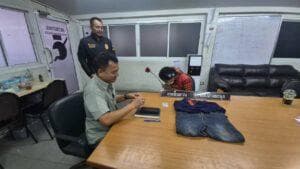
Thai cybercrime police just arrested four foreign nationals running a cross-border banking scam that cost one victim more than ฿800,000 ($22,900). Three Cambodians and one Burmese were caught operating mule bank accounts — basically using Thai bank accounts to move stolen money across borders.
Here's what actually happened: The suspects would withdraw cash from compromised Thai accounts, then send the money back to Cambodia and Myanmar. Pol. Maj. Gen. Chananat Sarathwanpaet, who heads Thailand's cybercrime division, ordered the arrests after tracking the money trail.
How These Scams Work
The mule account thing is pretty common in Southeast Asia. Scammers recruit people — often migrants or people needing quick cash — to open bank accounts or hand over their existing ones. Then they use those accounts to launder money from online scams.
The victim loses ฿800k to some online scam. The money hits a "clean" Thai bank account. The mules withdraw it as cash and send it across the border through informal channels. By the time police track it down, the money's long gone.
What This Means for Travelers
Look, this probably won't affect you directly if you're just visiting Thailand. But there are a couple things worth knowing:
Don't let anyone use your bank account. Sounds obvious, but people get approached — especially long-term expats or digital nomads who've been in Thailand a while. Someone offers you cash to "help them with a banking problem." Don't do it. You become the mule.
Be careful with money transfers. If you're sending money to friends or family in neighboring countries, stick to legitimate services like Wise or Western Union. Those informal money transfer shops might be cheaper, but you don't know where that money came from.
Thai banks are getting stricter. This is why opening a Thai bank account as a tourist has become such a pain. Banks are cracking down on account misuse, so they're more suspicious of foreigners opening accounts.
🏨The Bigger Picture
Thailand sits right in the middle of some major money laundering routes. Cash flows between Cambodia, Myanmar, Laos, and Thailand pretty easily — especially in border areas. Thai police have been pushing harder on cybercrime lately, which is good, but these networks are pretty sophisticated.
The ฿800k this particular victim lost is actually on the smaller side. I've seen reports of people losing millions to online scams that use similar money-moving tactics.
What You Can Do
If you're living in Thailand long-term, keep an eye on your bank statements. Thai banks aren't always great at fraud alerts compared to what you might be used to back home.
For travelers, the main thing is just being aware this stuff exists. If someone approaches you about "helping" with banking or money transfers, especially for cash payments, walk away.
The arrests happened in Bangkok, but these operations run all over the country. Thai cybercrime police are getting better at tracking digital money trails, but prevention is still your best bet.
That's the situation. Four people in custody, one victim out ฿800k, and a reminder that cross-border financial crime is alive and well in Southeast Asia.
Source: Khaosod English
Source: 3 Cambodians and 1 Burmese held in mule account scam
🎫Planning a trip to Thailand?
Use our free budget calculator to see what things actually cost. Real prices from real trips — no BS, no guesswork.
Calculate Your Budget